
“Peter Aerschmann
Guillaume Chesnel
Jonathan Delachaux
Nicolas Darrot
Fiona Djukanovic
Claire Frachebourg
Tiziano Foucault-Gini
Matthieu Gafsou
Henry Glavin
Lukas Hoffmann
Malik Jeannet
Gian Losinger
Christian Lutz
Benjamin Pfeiffer
Michael Rampa
Denis Roueche
Maude Schneider
Robin Wen”
….
Peut-être la poésie est-elle la vérité inattendue. Son apparition requiert le silence. L’architecture a pour tâche artistique de donner forme à cette attente silencieuse.
- Peter Zumthor
L’art et l’architecture sont des disciplines qui entretiennent depuis toujours un lien étroit et complexe. Loin d’être nouveau, ce dialogue s’est construit au fil du temps à travers des influences réciproques, parfois marquées par la tension, la concurrence ou la fascination mutuelle, jusqu’à l’idéal de l’œuvre d’art totale, où les disciplines se confondent et se complètent. Investissant l’espace, le temps, la matière et l’usage, l’art et l’architecture développent des langages et des intentions distinctes qui explorent souvent des questionnements similaires.
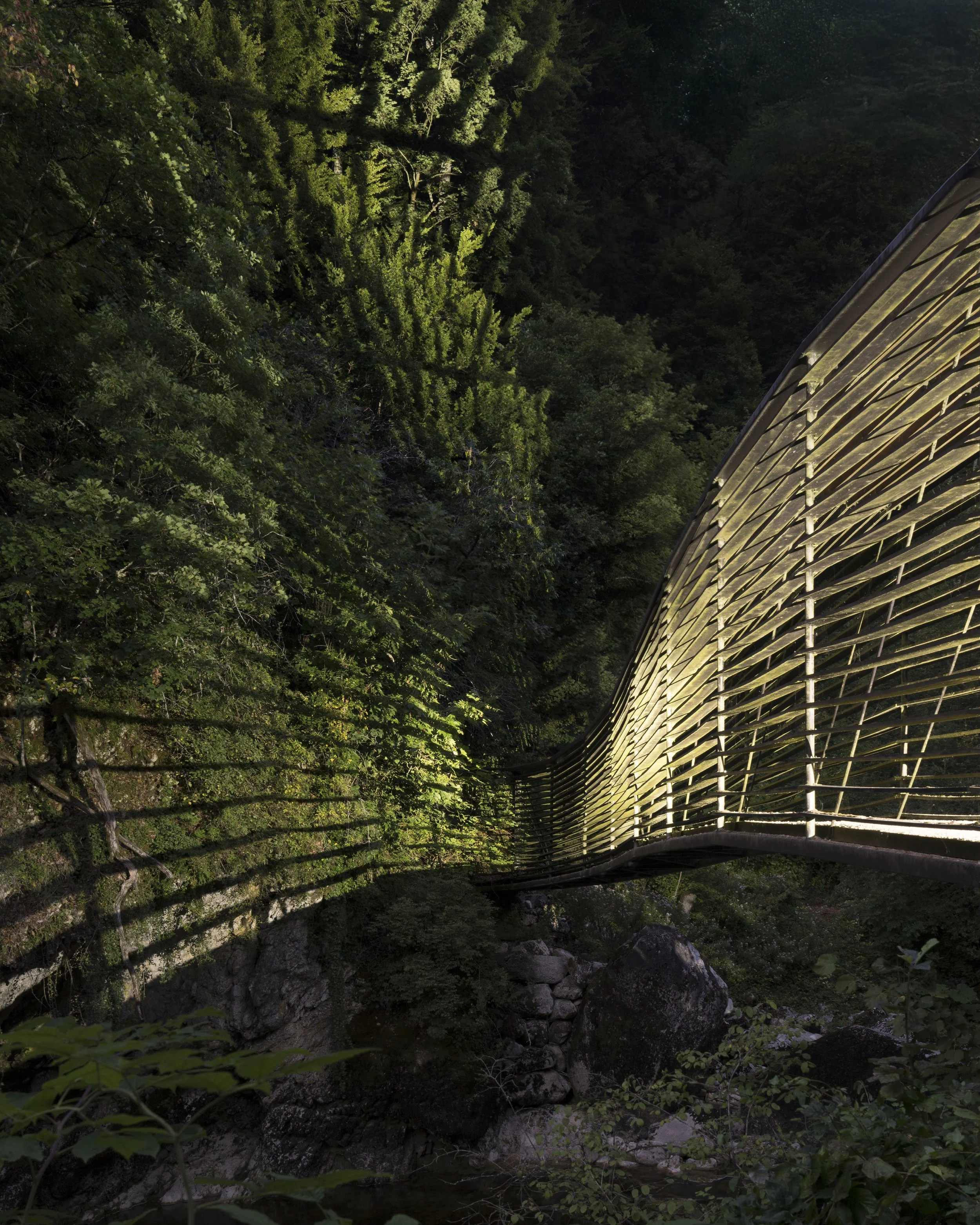
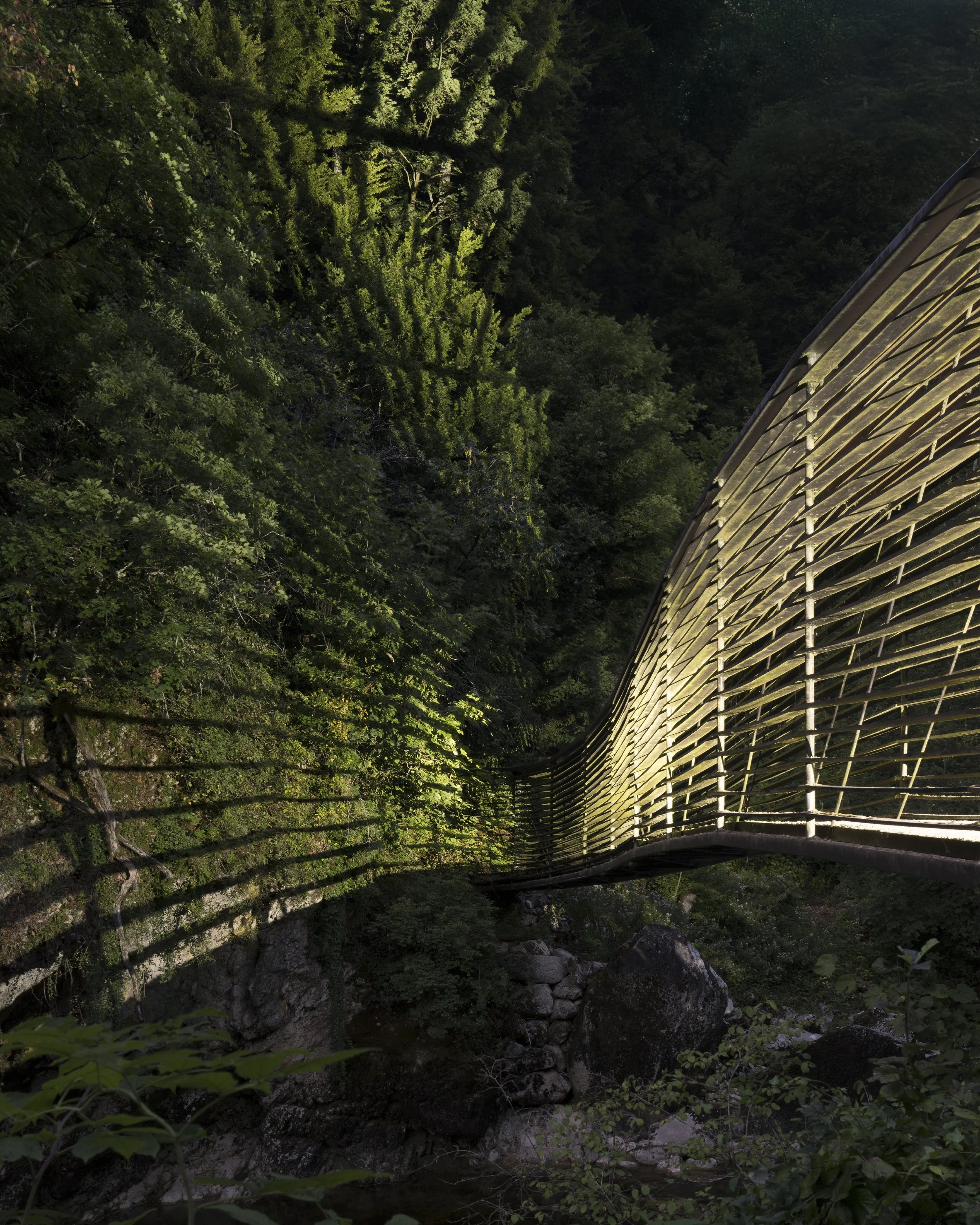
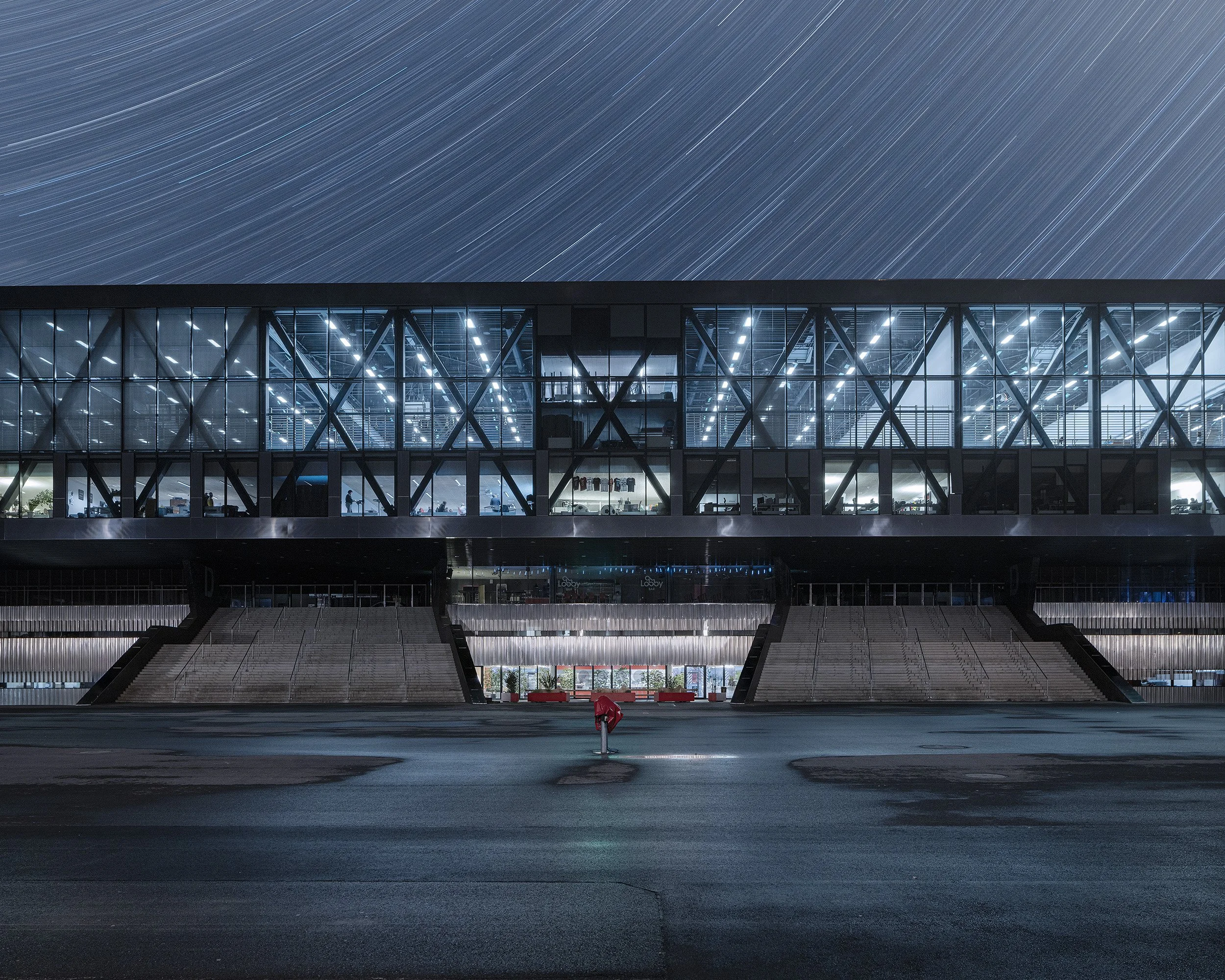
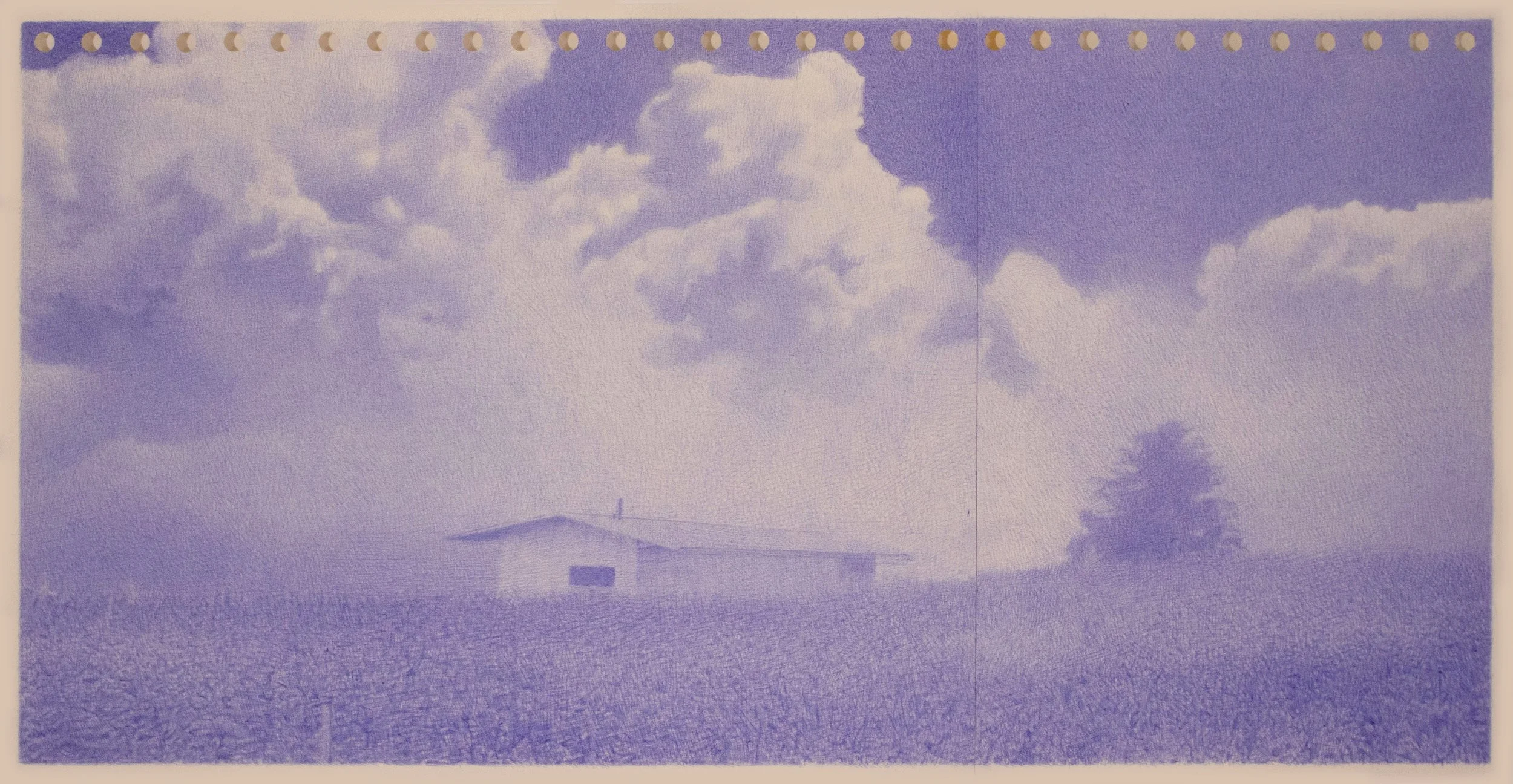
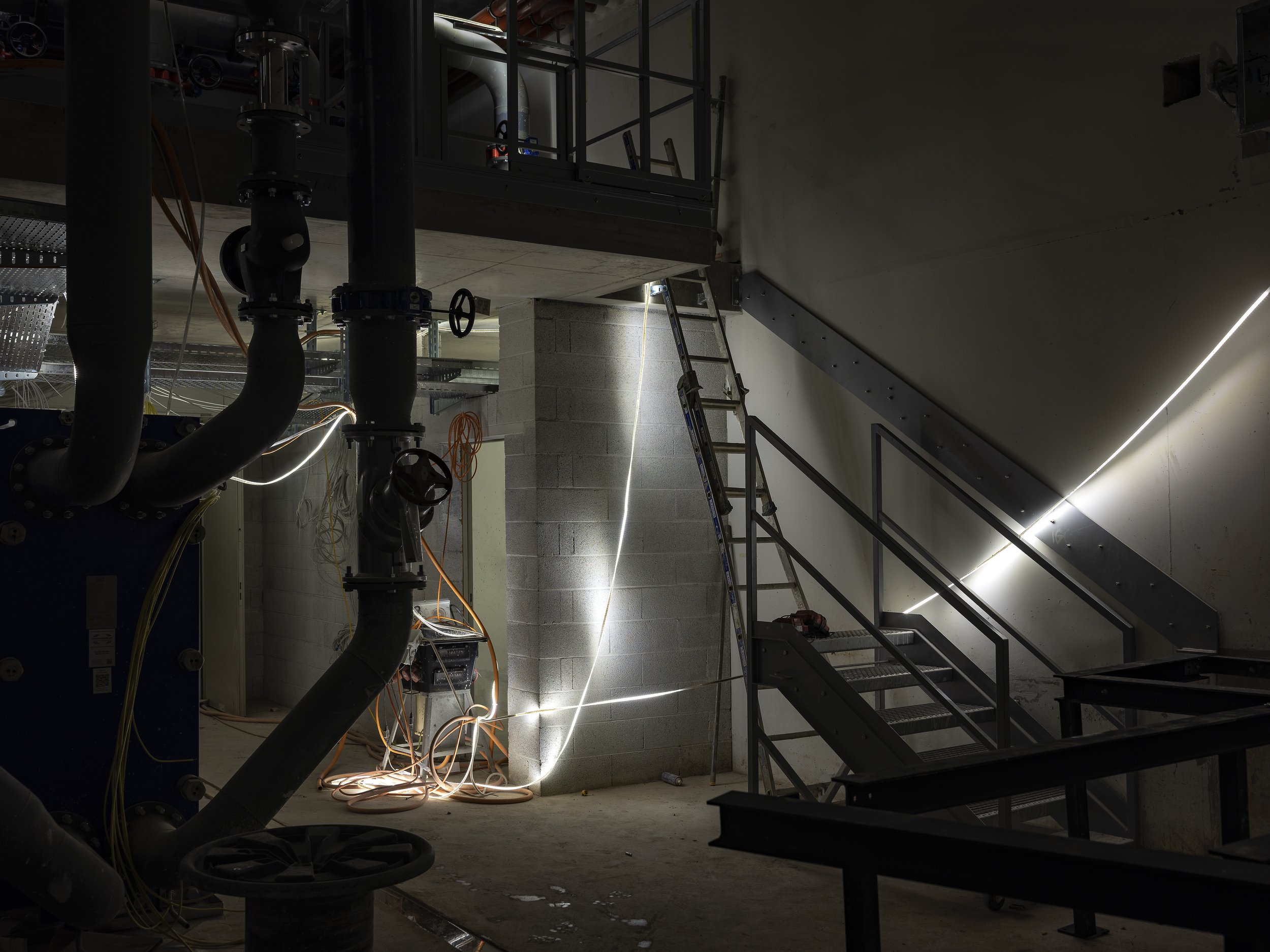
A l’occasion des 30 ans du bureau GD architectes, basé à Neuchâtel, cette exposition propose de célébrer ce lien en invitant des artistes à créer une œuvre en dialogue avec l’un des projets architecturaux réalisés par le bureau d’architecture : la passerelle dans les Gorges de l’Areuse, le stade de la Maladière, l’Hôpital de Riviera-Chablais, la Halle de sport la Riveraine, les Stades Tissot-Arena à Bienne, l’IDHEAP à Chavannes-près-Renens et bien d’autres encore. Une proposition volontairement déstabilisante : offrir un bâtiment existant, qui est pensé, construit, achevé, comme point de départ à une démarche artistique. Cette contrainte singulière invite à aborder l’architecture autrement, non plus comme un objet figé ou purement fonctionnel, mais comme une matière vivante, chargée de récits, d’usages, de transformations et de mémoires.
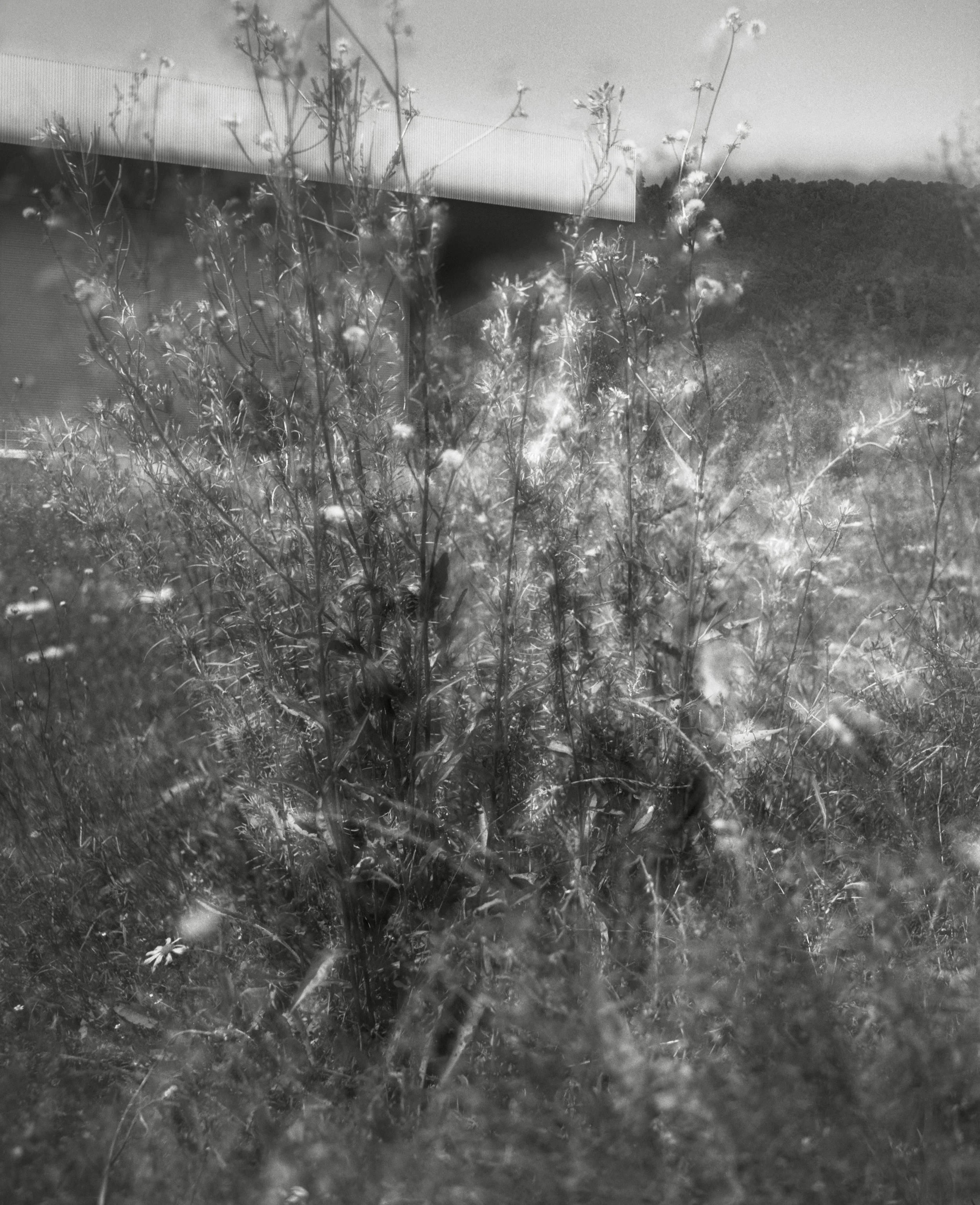
Cette invitation révèle à quel point l’architecture et l’environnement, bâtis ou naturels, occupent une place centrale dans les préoccupations de nombreux·ses artistes. Pour Lukas Hoffmann, Christian Lutz, Matthieu Gafsou ou encore Robin Wen, l’espace construit devient un terrain d’observation privilégié, révélant les liens entre forme, paysage, usage et perception. Le bâtiment n’est plus seulement un cadre, mais un sujet à part entière, parfois interrogé dans son insertion territoriale, parfois dans sa relation au corps, à l’image ou à la nature environnante.
Au fil des trente années de conception, les projets de GD architectes ont traversé le temps. Ils ont été habités, traversés, appropriés, transformés par celles et ceux qui y vivent, y travaillent ou les fréquentent. Les artistes sont ainsi invité·es à opérer une forme de déconstruction du projet achevé, à en dévoiler les dessous, les couches invisibles, les intentions initiales comme les usages réels. En posant un regard neuf sur ces architectures, ils et elles interrogent ce qu’il advient d’un bâtiment une fois livré, lorsque l’œuvre architecturale se confronte à la réalité quotidienne.
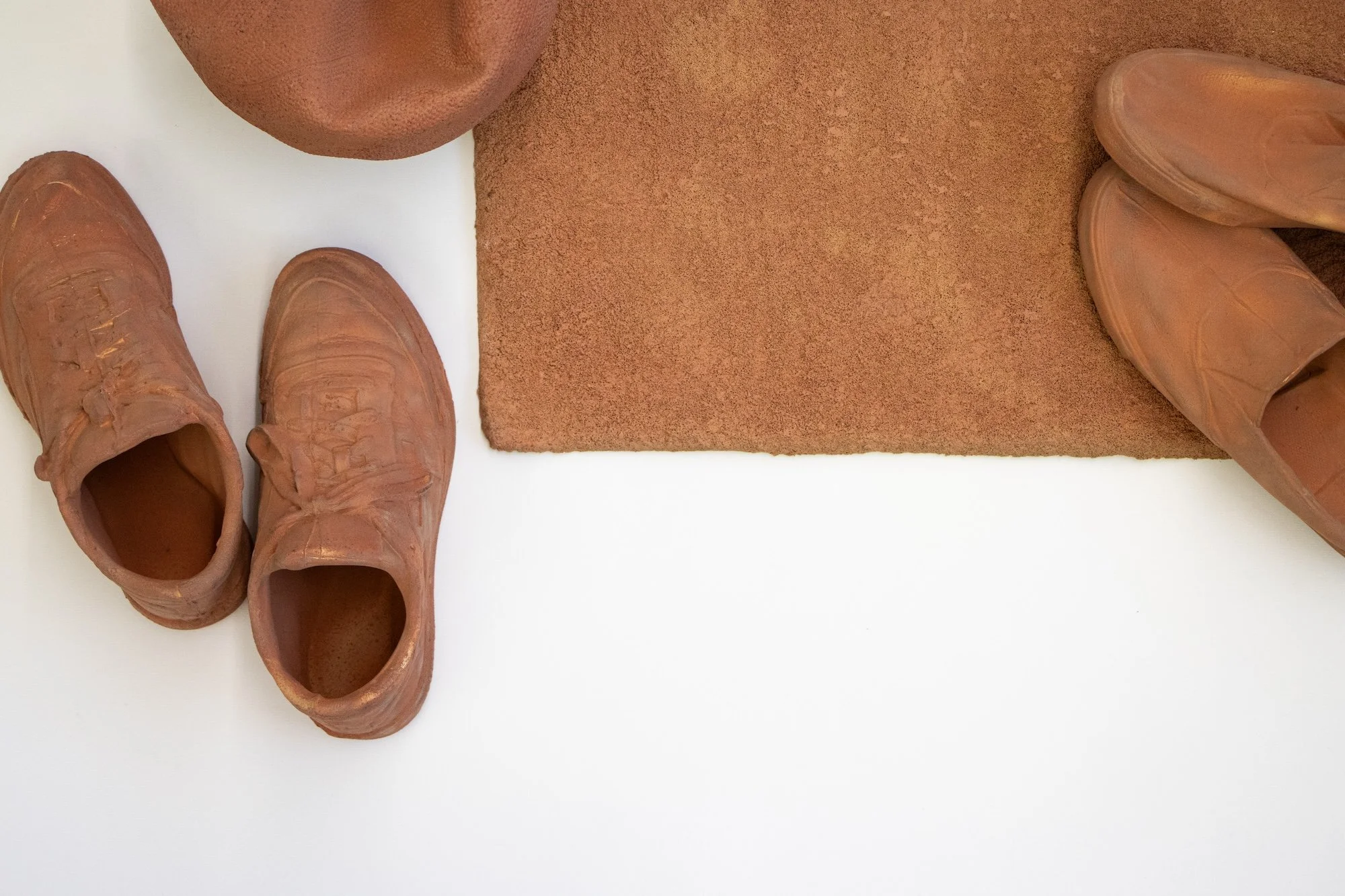
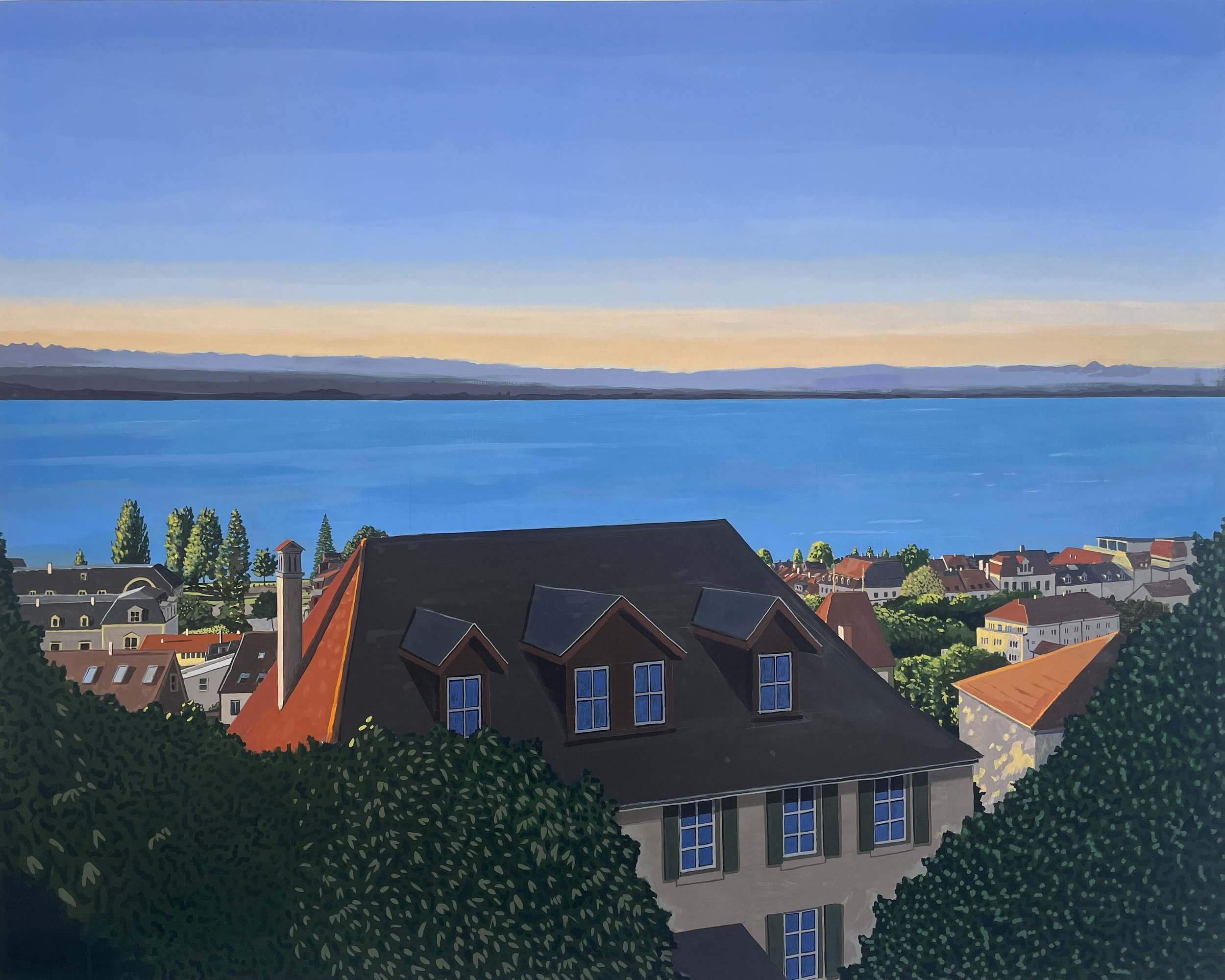
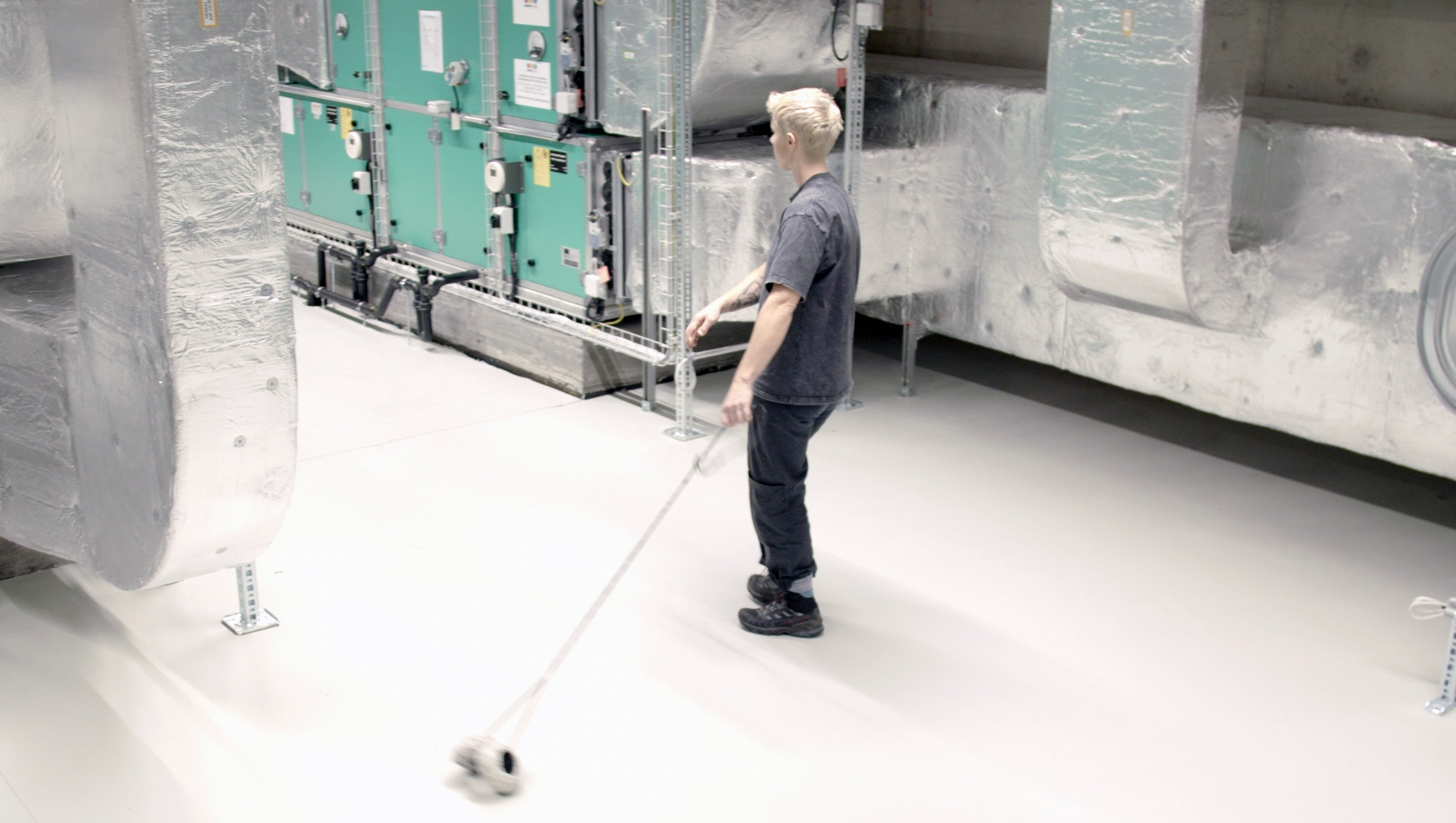
Pour certain·es artistes comme Guillaume Chesnel, Fiona Djukanovic, Gian Losinger ou Michael Rampa, cette confrontation fait avant tout émerger des préoccupations esthétiques. La forme, la matérialité, les lignes, les couleurs, la lumière ou les volumes deviennent des points d’ancrage pour une interprétation sensible de l’architecture. Chez Tiziano Foucault-Gini, ce sont davantage les symboles véhiculés par l’architecture, ainsi que son histoire et les récits qu’elle porte, qui nourrissent l’interprétation. D’autres démarches s’inscrivent dans une réflexion plus sociologique, où forme et fonction sont mises en relation. Chez Claire Frachebourg, Maude Schneider, Benjamin Pfeiffer ou Peter Aerschmann, l’architecture devient un outil d’analyse des usages, des comportements et des dynamiques sociales qu’elle génère ou accueille. Denis Roueche introduit quant à lui une touche d’humour avec ses sculptures qui jouent sur ces décalages entre forme et fonction. Pour d’autres artistes, le lien entre art et architecture constitue un socle permanent de leur pratique. C’est le cas de Nicolas Darrot ou encore de Malik Jeannet, dont l’installation, d’échelle architecturale et complètement fonctionnelle, est conçue comme une oeuvre à vocation sculpturale, manifestant ses recherches systémiques sur la façon dont nous envisageons nos relations avec notre environnement immédiat. Jonathan Delachaux, quant à lui, pousse cette réflexion plus loin encore en développant une œuvre basée sur la réalité augmentée, donnant à voir la dimension situationnelle et architecturale du lieu à travers une expérience immersive qui superpose réel et virtuel.
À travers cette diversité de propositions, l’exposition met en lumière la richesse des regards artistiques portés sur l’architecture, non pas comme un objet clos, mais comme un processus ouvert, en constante interaction avec le temps, les usages et les individus. Ces interventions artistiques invitent ainsi à repenser notre relation aux espaces que nous habitons, et à considérer l’architecture comme un champ d’expérimentation, de projection et de questionnements qui évoluent sans cesse.
VERNISSAGE :
Jeudi 22 janvier 2026, dès 18h
Vernissage ponctué de plusieurs performances
CONCERT :
Jeudi 29 janvier 2026, à 20h
Concert «matière à vivre, matière à son». Alain Tissot (percussion) et Lucien Dubuis (clarinette basse)
VISITE GUIDEE :
Mercredi 4 février 2026, à 18h
Visite guidée en collaboration avec la société des Amis des Arts
PORTES OUVERTES GD ARCHITECTES :
Samedi 7 février 2026, de 9h à 13h
Portes ouvertes du bureau GD Architectes
Adresse : Rue de la Place-d’Armes 3 à Neuchâtel
Pour télécharger le dossier de presse : ici
..
Perhaps poetry is unexpected truth. Its appearance requires silence. Architecture has the artistic task of giving form to this silent expectation. - Peter Zumthor
Art and architecture are disciplines that have always had a close and complex relationship. Far from being new, this dialogue has developed over time through mutual influences, sometimes marked by tension, competition or mutual fascination, to the ideal of the total work of art, where the disciplines merge and complement each other. Engaging with space, time, materials and use, art and architecture develop distinct languages and intentions that often explore similar questions.
To mark the 30th anniversary of the Neuchâtel-based GD architects firm, this exhibition celebrates this connection by inviting artists to create a work that engages in dialogue with one of the architectural projects completed by the firm: the footbridge in the Areuse Gorges, the Maladière stadium, the Riviera-Chablais Hospital, the Riveraine Sports Hall, the Tissot-Arena Stadiums in Biel, the IDHEAP in Chavannes-près-Renens and many others. It is a deliberately unsettling proposition: to offer an existing building, which has been designed, built and completed, as the starting point for an artistic endeavour. This unique constraint invites us to approach architecture differently, no longer as a fixed or purely functional object, but as a living material, laden with stories, uses, transformations and memories.
This invitation reveals the extent to which architecture and the environment, whether built or natural, occupy a central place in the concerns of many artists. For Lukas Hoffmann, Christian Lutz, Matthieu Gafsou and Robin Wen, the built environment becomes a privileged field of observation, revealing the links between form, landscape, use and perception. The building is no longer just a setting, but a subject in its own right, sometimes questioned in terms of its territorial integration, sometimes in terms of its relationship to the body, to image or to the surrounding nature.
Over the course of thirty years of design, GD architects' projects have stood the test of time. They have been inhabited, traversed, appropriated and transformed by those who live, work or frequent them. Artists are thus invited to deconstruct the completed project, revealing its hidden layers, its initial intentions and its actual uses. By taking a fresh look at these architectures, they question what happens to a building once it is delivered, when the architectural work is confronted with everyday reality.
For some artists, such as Guillaume Chesnel, Fiona Djukanovic, Gian Losinger and Michael Rampa, this confrontation primarily gives rise to aesthetic concerns. Form, materiality, lines, colours, light and volumes become anchor points for a sensitive interpretation of architecture. For Tiziano Foucault-Gini, it is more the symbols conveyed by architecture, as well as its history and the narratives it carries, that feed into the interpretation. Other approaches are part of a more sociological reflection, where form and function are linked. For Claire Frachebourg, Maude Schneider, Benjamin Pfeiffer and Peter Aerschmann, architecture becomes a tool for analysing the uses, behaviours and social dynamics that it generates or accommodates. Denis Roueche introduces a touch of humour with his sculptures, which play on the discrepancies between form and function. Finally, for some, the link between art and architecture forms a permanent foundation for their practice. This is the case for Nicolas Darrot and Malik Jeannet, whose installation, on an architectural scale and fully functional, is designed as a sculptural work, expressing his systemic research on how we view our relationships with our immediate environment. Jonathan Delachaux takes this idea even further by developing a work based on augmented reality, revealing the situational and architectural dimensions of the space through an immersive experience that superimposes the real and the virtual.
Through this diversity of proposals, the exhibition highlights the richness of artistic perspectives on architecture, not as a closed object, but as an open process in constant interaction with time, uses and individuals. These artistic interventions thus invite us to rethink our relationship with the spaces we inhabit and to consider architecture as a field of experimentation, projection and questioning that is constantly evolving.
VERNISSAGE:
Thursday, 22 January 2026, from 6 p.m.
Opening reception featuring several performances
CONCERT:
Thursday, 29 January 2026, at 8 p.m.
Concert ‘matière à vivre, matière à son’ (material for living, material for sound). Alain Tissot (percussion) and Lucien Dubuis (bass clarinet)
GUIDED TOUR:
Wednesday, 4 February 2026, at 6 p.m.
Guided tour in collaboration with the Friends of the Arts Society
GD ARCHITECTS OPEN HOUSE:
Saturday, 7 February 2026, from 9 a.m. to 1 p.m.
Open house at the GD Architects office
Address: Rue de la Place-d'Armes 3 in Neuchâtel
To download the press kit: here
….