
“ Malik Jeannet
avec la participation d’Ali Cherri ”
....
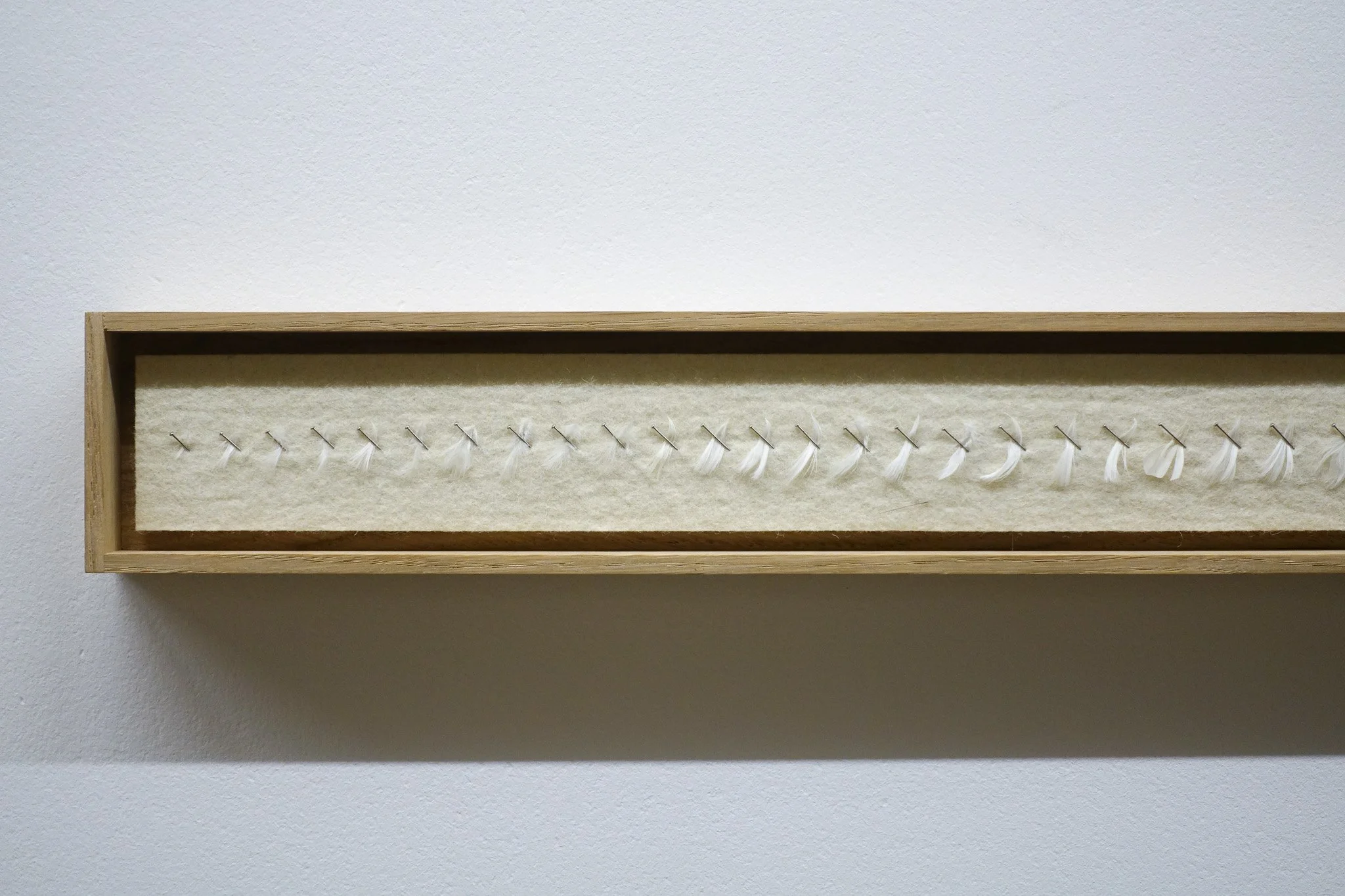
L’exposition de Malik Jeannet avec la participation d’Ali Cherri prend pour point de départ la figure de l’oiseau et, plus particulièrement, les différents dispositifs à travers lesquels celui-ci est observé, conservé, représenté ou accueilli. Tantôt présent sous la forme d’une image ou d’une plume, tantôt évoqué par un nid, un message ou un espace laissé à son intention, l’oiseau apparaît moins comme un sujet que comme une présence autour de laquelle s’organisent différentes manières de faire place. Mobilier, contenants et éléments architecturaux composent ainsi un environnement où la question du corps se déplace vers celle des structures qui l’entourent et déterminent, en partie, ce qu’il peut devenir.
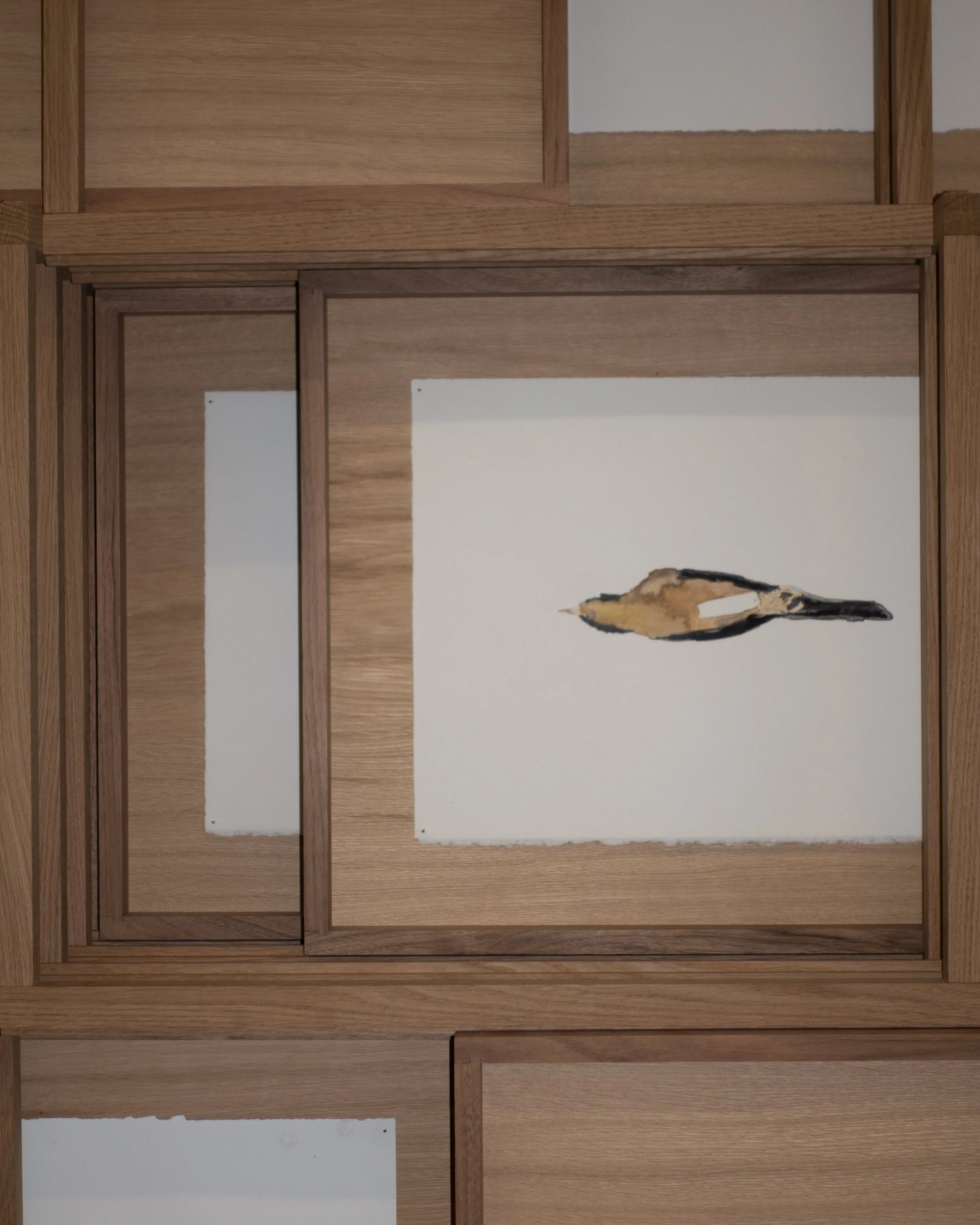
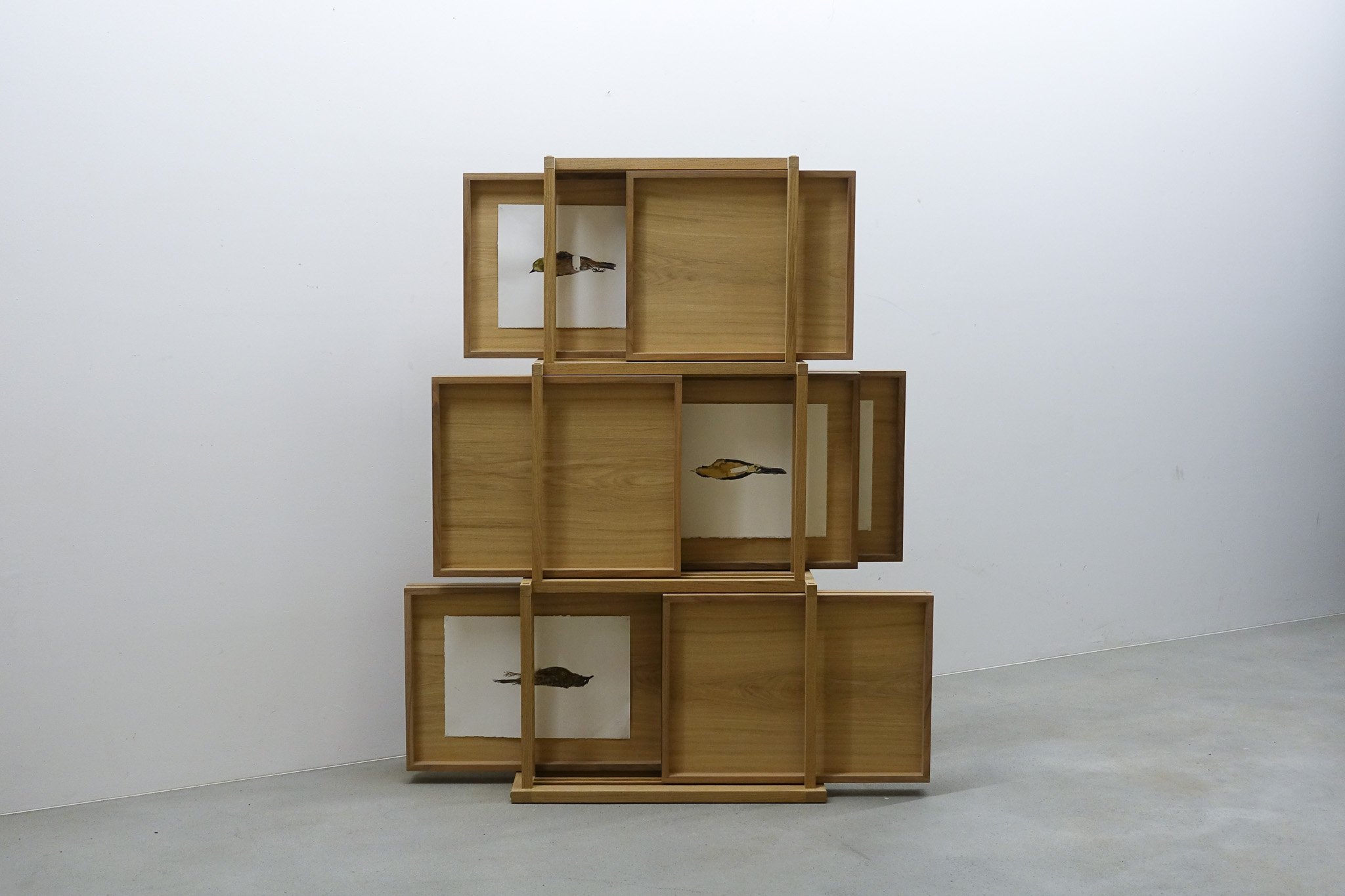
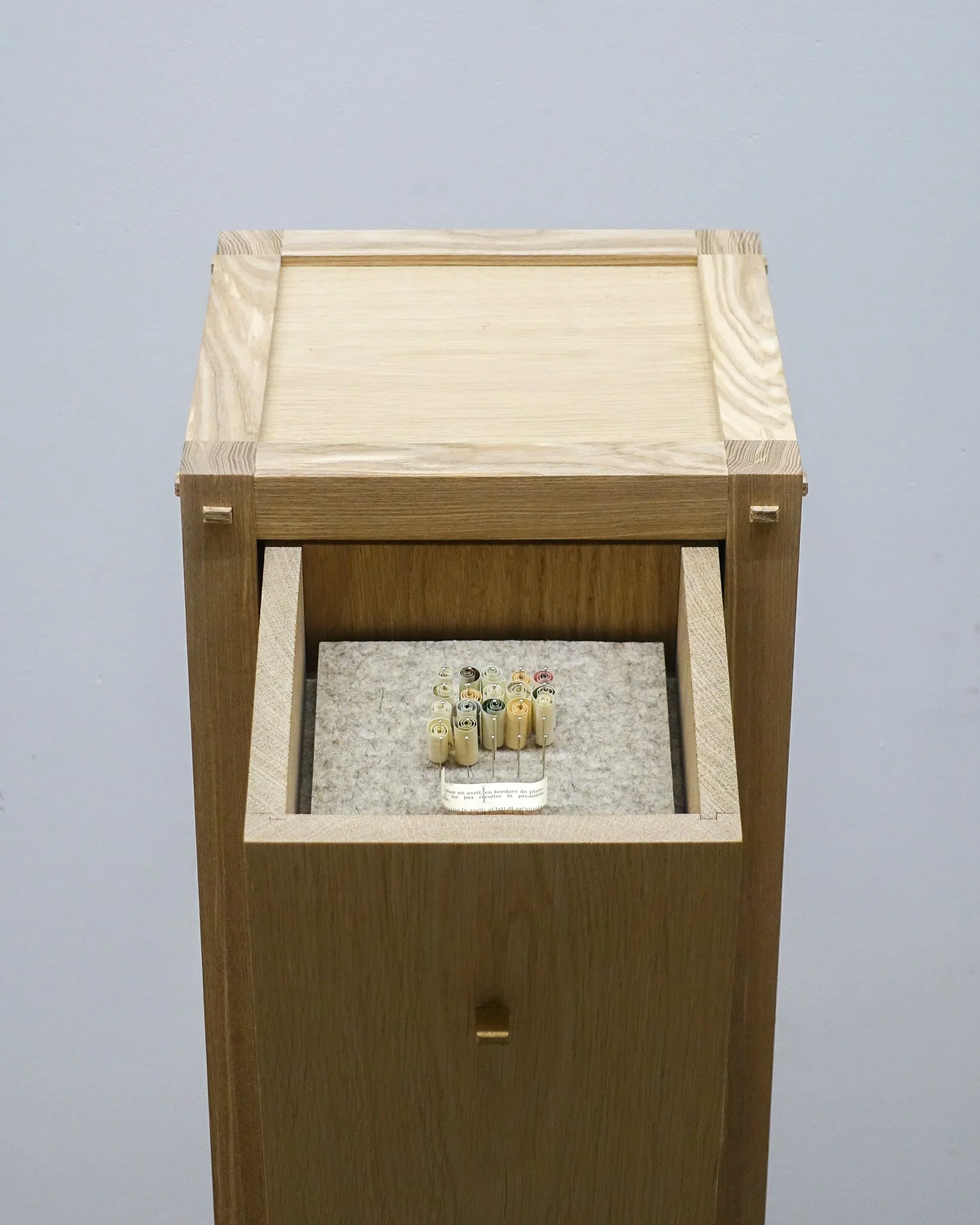
Cette réflexion trouve l’un de ses points de départ dans les réserves des muséums d’histoire naturelle. Les spécimens d’oiseaux qui y sont conservés pour l’étude scientifique sont vidés, préparés puis disposés horizontalement dans des meubles conçus à cet effet. Une correspondance précise s’établit entre le corps et ce qui le reçoit : le tiroir impose une position, permet l’alignement et rend possible la comparaison. Avant même de devenir un objet de connaissance, l’animal est donc soumis à une organisation matérielle qui le rend disponible à celle-ci. À travers les aquarelles d’Ali Cherri réunies dans An Inventory of Flight (2021–2026), et le meuble que Jeannet construit pour les accueillir, cette infrastructure habituellement reléguée à l’arrière-plan devient elle-même partie prenante de l’exposition.
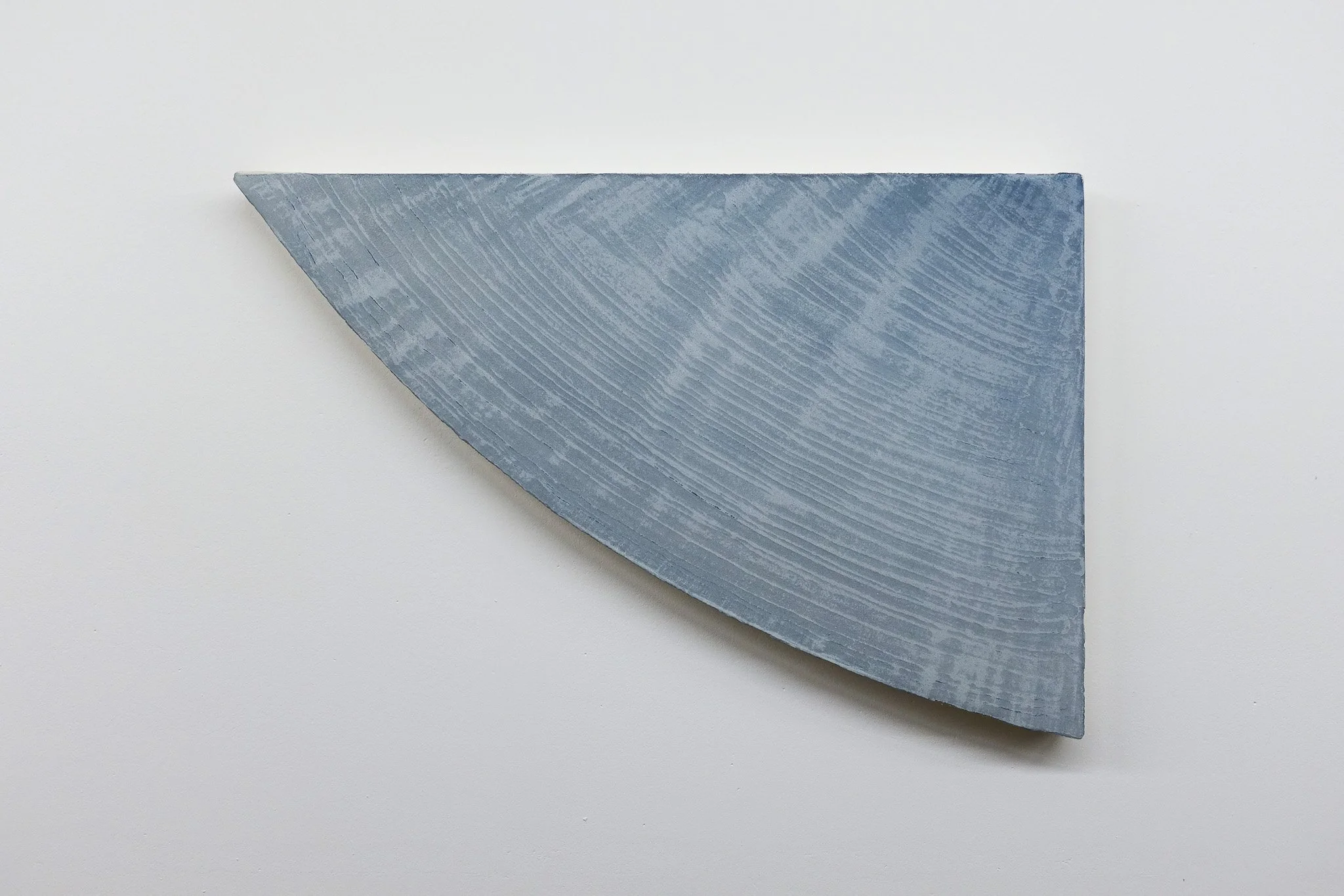
Cette attention portée aux conditions matérielles qui précèdent et rendent possible l’apparition des choses traverse plus largement la pratique de Jeannet. Après avoir principalement travaillé avec la peinture, son intérêt s’est progressivement déplacé de la représentation vers ce qui permet de la produire : la provenance d’un pigment, l’origine d’un morceau de bois, les techniques nécessaires à sa transformation, mais aussi les espaces dans lesquels une pratique artistique peut avoir lieu. La reconstruction, entre 2021 et 2024, d’un petit bâtiment à La Chaux-de-Fonds en atelier et en habitation accompagne ce déplacement. Le lieu de travail cesse d’être un simple contexte pour devenir une question en soi : de quoi un espace a-t-il besoin pour être habitable, et quelles relations matérielles, techniques et sociales sont nécessaires pour le maintenir ?
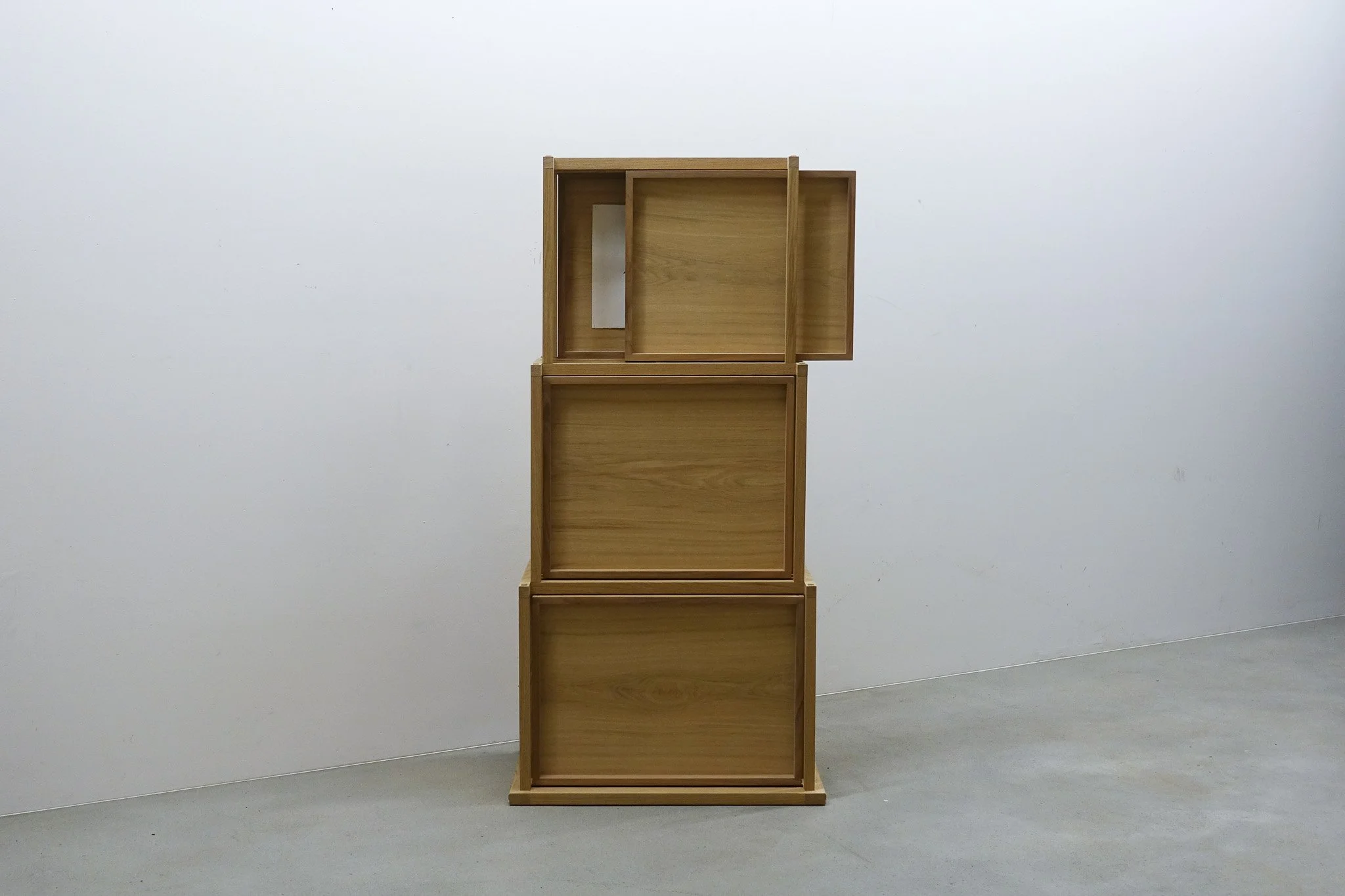
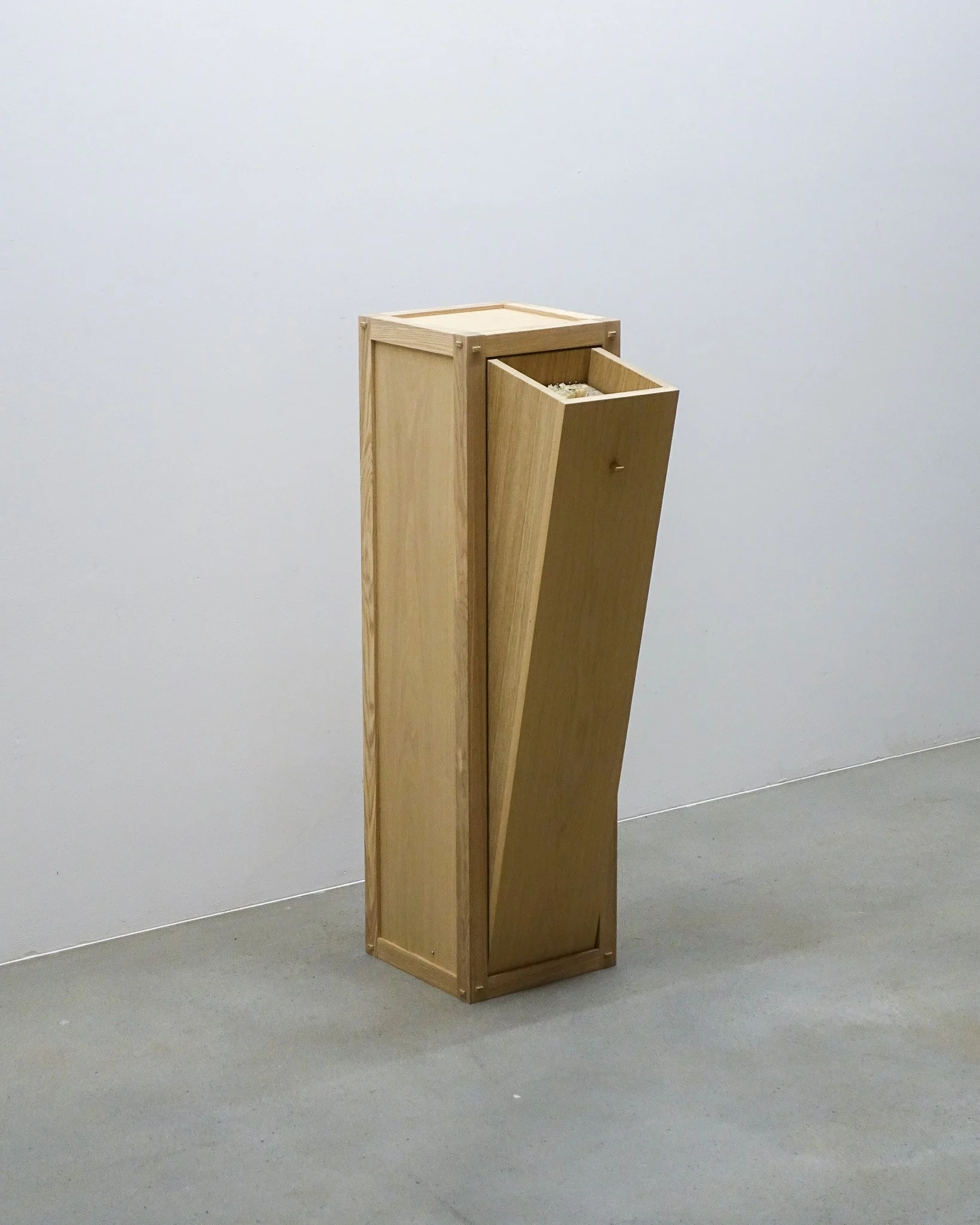
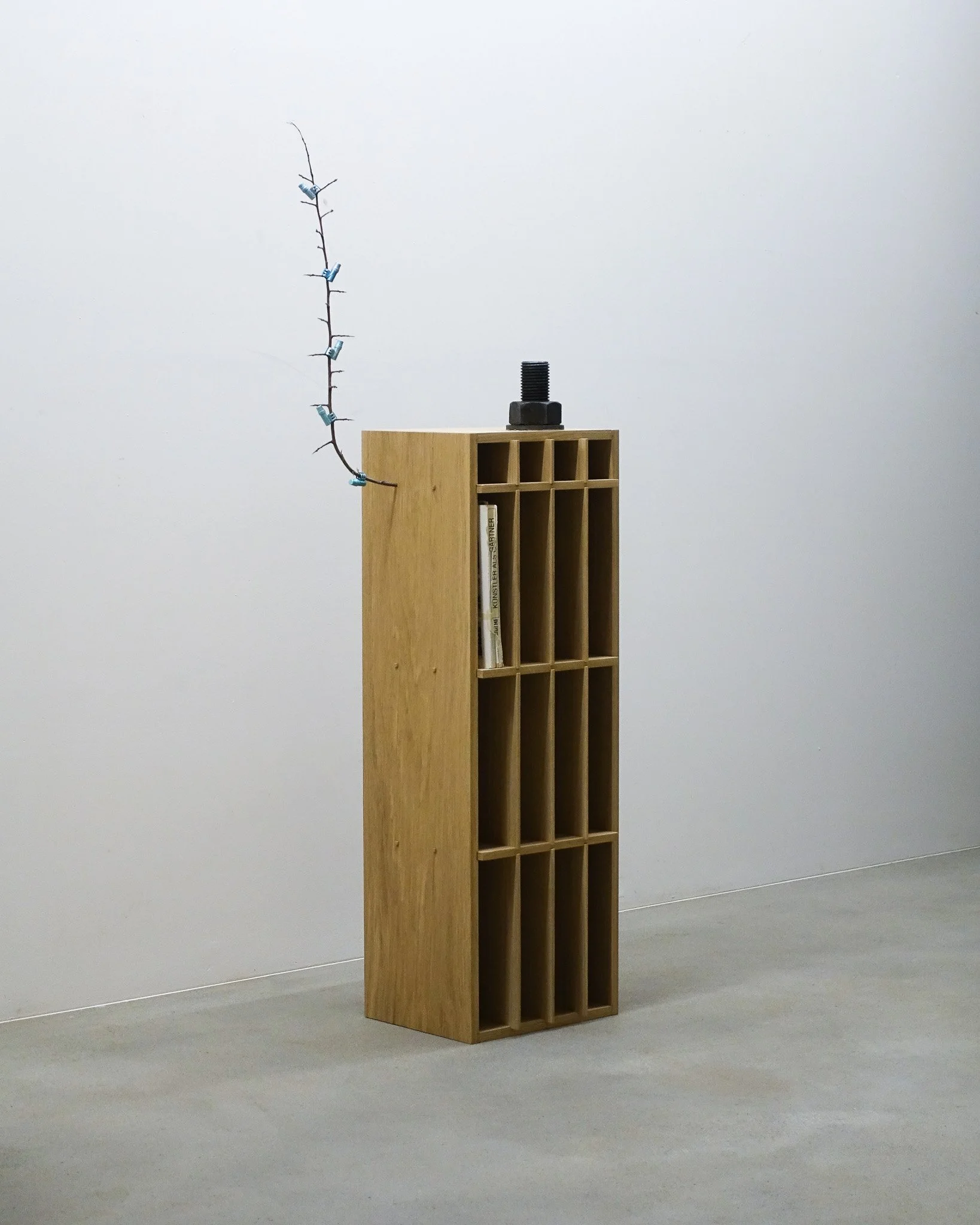
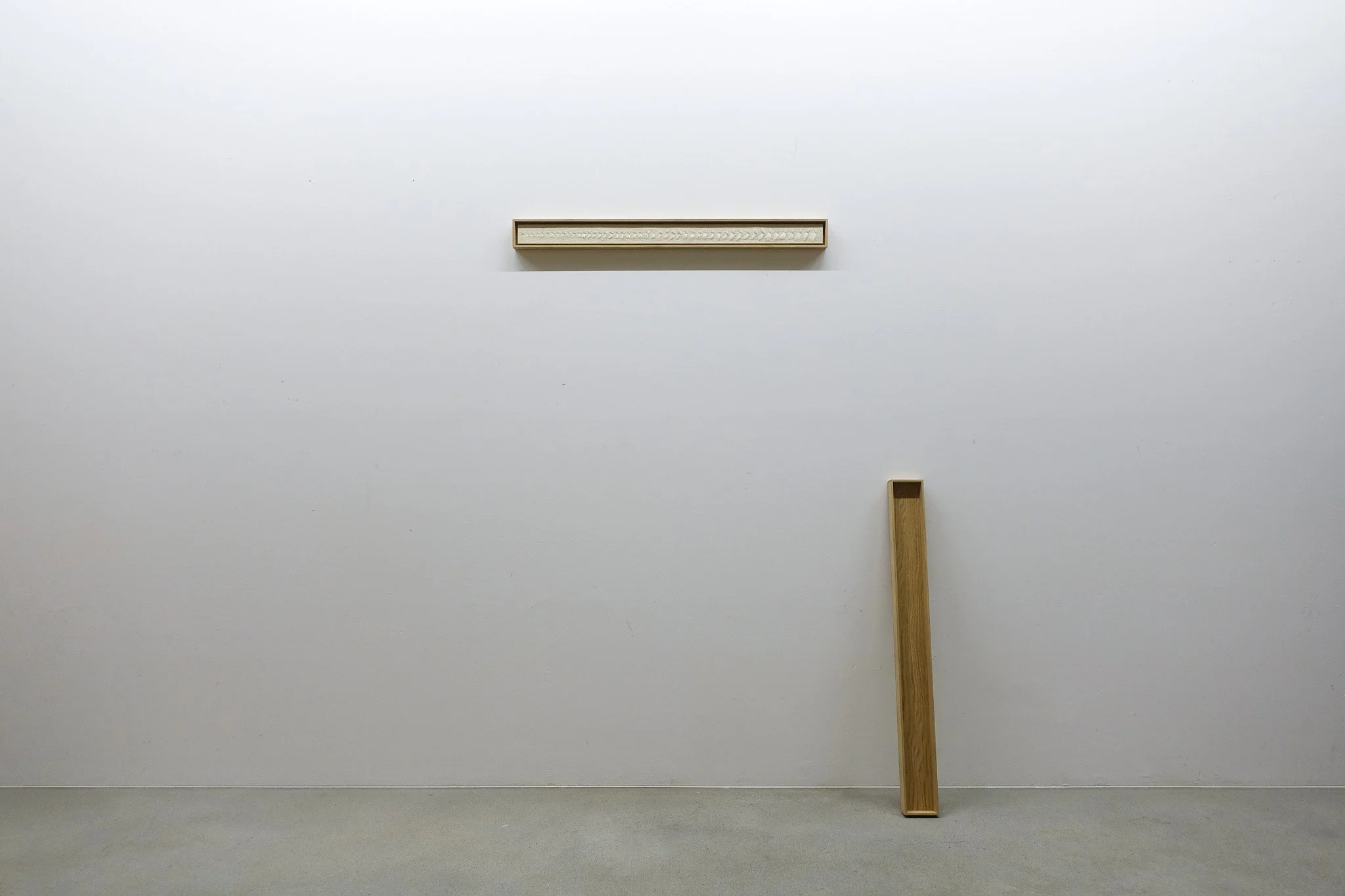
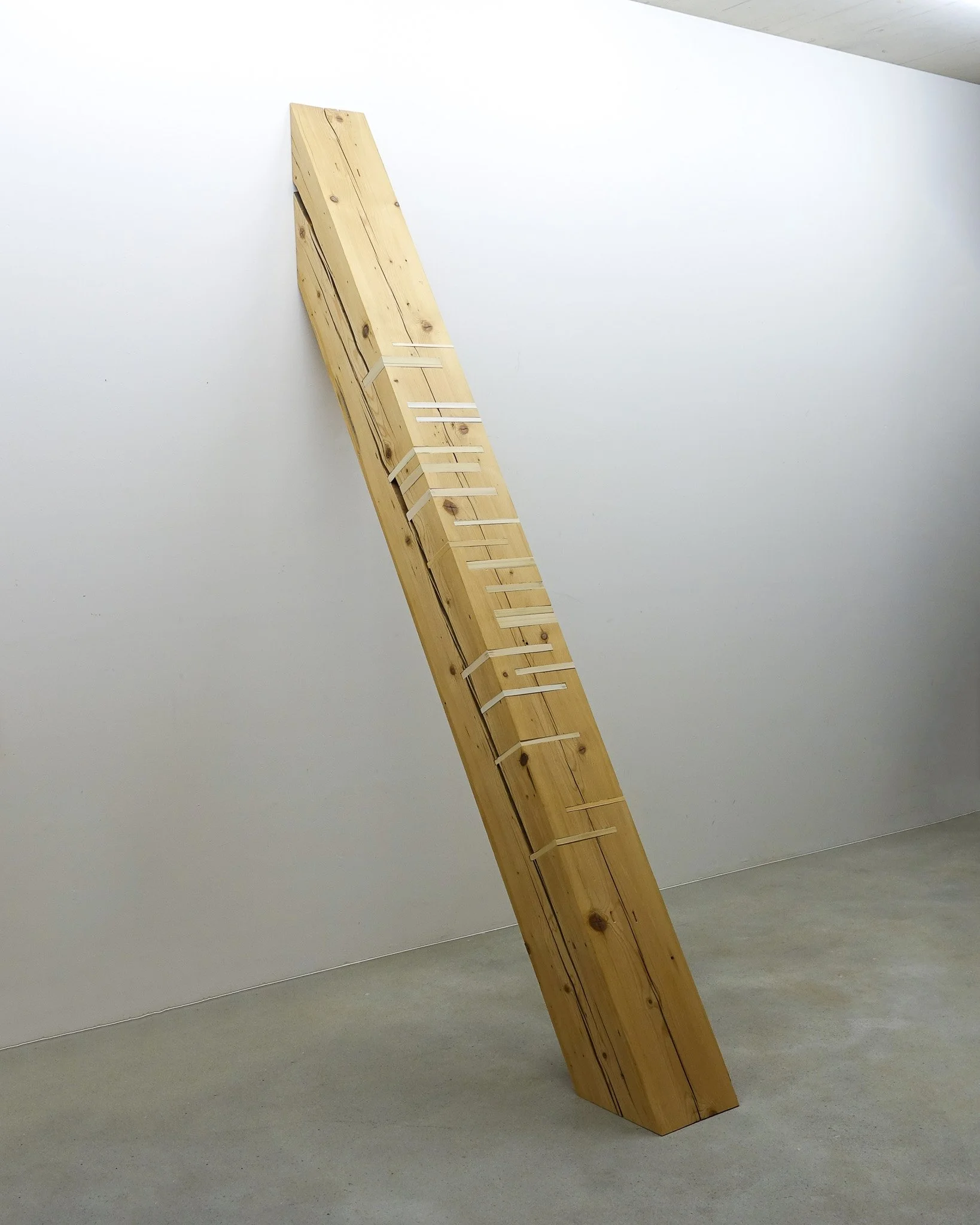
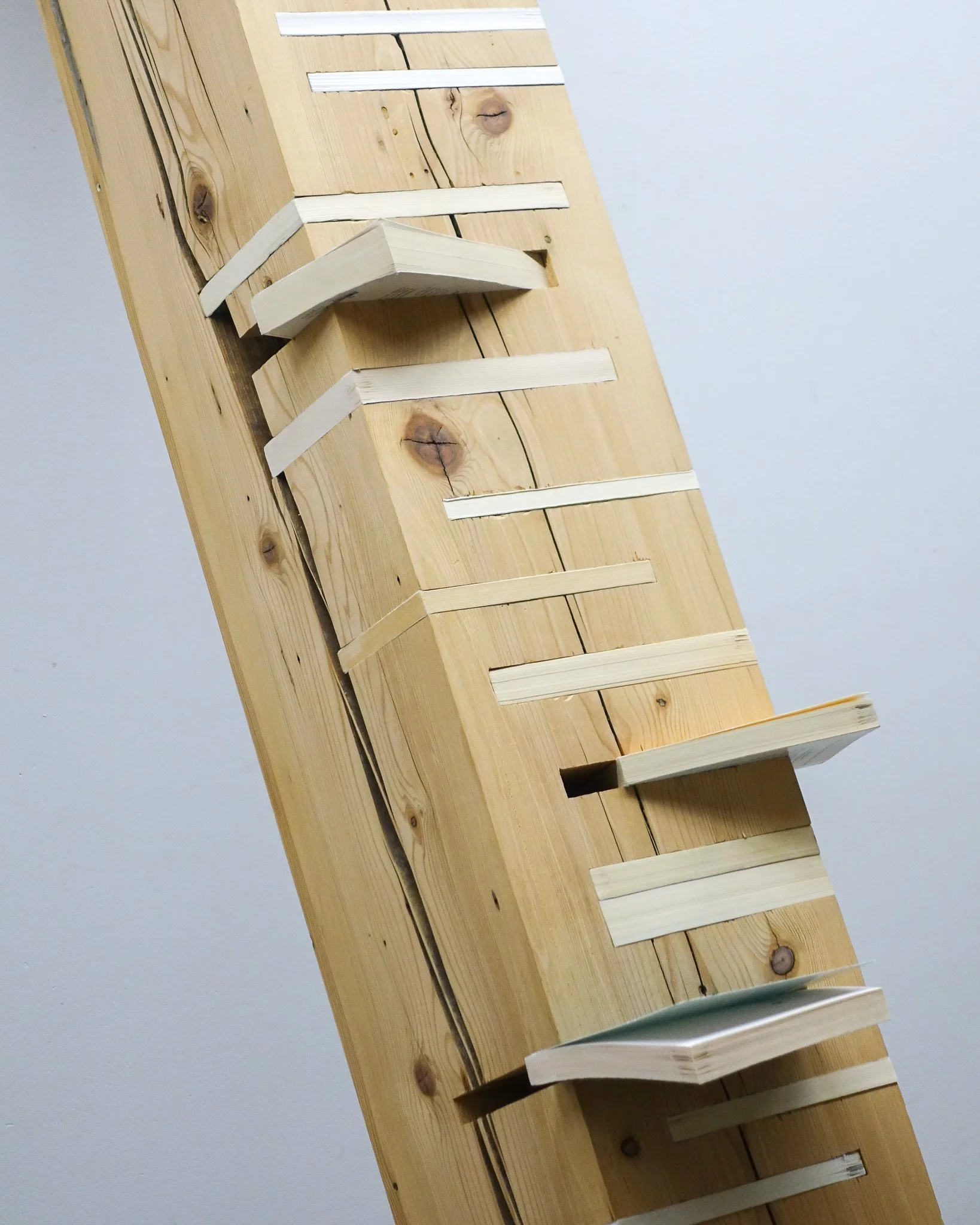
Les formes présentées dans l’exposition prolongent cette réflexion à une échelle intermédiaire entre mobilier et architecture. Elles empruntent au meuble de rangement, au socle, à l’étagère, au cadre ou à l’étai sans se réduire entièrement à leurs fonctions. Leur apparente utilité implique cependant toujours un corps, même lorsque celui-ci demeure absent : quelque chose doit pouvoir être posé, soutenu, rangé, consulté, abrité ou reçu. En ce sens, ces structures ne sont pas seulement des objets mais des propositions d’usage. Elles précèdent souvent celles et ceux auxquels elles semblent destinées.
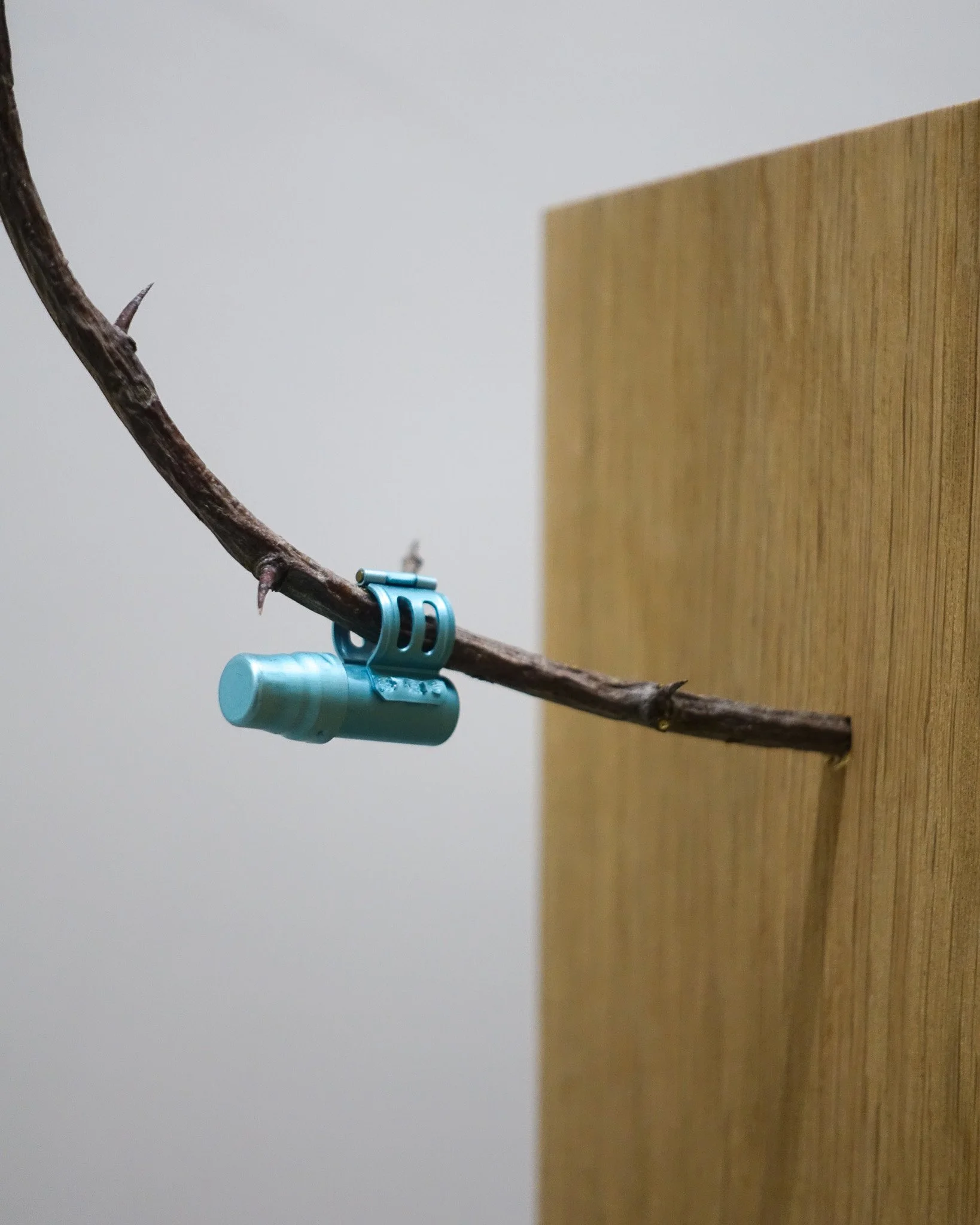
Cette relation à l’usage introduit une forme d’attente dans l’exposition. Une boîte aux lettres suppose la venue possible d’un message ; l’étui d’un pigeon voyageur n’existe qu’en fonction d’un destinataire situé ailleurs. Même les éléments mobiles d’un meuble impliquent un geste à venir. Jeannet ne représente pas nécessairement ces rencontres : il construit plutôt les conditions dans lesquelles elles pourraient avoir lieu. L’usage reste potentiel et, avec lui, l’identité de l’usager. Humain, animal, image, objet ou message occupent successivement des structures qui semblent moins leur assigner une place définitive que se tenir disponibles à leur arrivée.
Cette disponibilité distingue également les modes de construction de Jeannet des techniques de conservation auxquelles renvoient les oiseaux de Cherri. Dans les collections scientifiques, conserver signifie intervenir sur un corps afin d’en ralentir, voire d’en interrompre, la transformation. Jeannet envisage au contraire la durée à travers la possibilité du changement. Ses assemblages en bois sont conçus de manière à pouvoir être démontés, réparés ou remplacés ; un élément endommagé ne condamne pas nécessairement l’ensemble de la structure. Conservation et réparation proposent alors deux manières presque inverses de prendre soin des choses : l’une cherche à maintenir un état, l’autre à permettre qu’une forme persiste précisément parce qu’elle peut être transformée.
Entre ces deux logiques, l’exposition revient constamment sur l’ambiguïté de gestes tels que tenir, protéger, abriter ou préserver. Tous supposent une forme de soin, mais également l’établissement de limites. Le corps conservé est protégé de sa disparition en étant immobilisé ; l’abri protège en délimitant un intérieur et un extérieur ; le meuble rend une chose accessible en déterminant la manière dont elle peut être rangée et regardée. Même le dispositif d’exposition, avec ses conventions propres, organise la relation entre le visiteur et les objets qu’il rencontre. Ce qui accueille est donc aussi ce qui ordonne.
L’oiseau rend cette ambiguïté particulièrement visible parce qu’il introduit, face à ces structures, l’idée du mouvement. Le vol résiste à la position fixe qu’exigent l’inventaire, le classement ou la conservation. Pourtant, dans l’exposition, l’oiseau n’est presque jamais donné comme une présence vivante et immédiate. Il persiste par ses traces, ses représentations ou les infrastructures qui anticipent son passage : une plume sortie d’un oreiller, une image rangée dans un meuble, un petit contenant destiné à transporter un message. Son absence ne signifie donc pas tout à fait sa disparition. Elle peut aussi désigner une place maintenue ouverte.
L’exposition porte ainsi moins sur les oiseaux que sur les infrastructures à travers lesquelles les corps deviennent lisibles les uns pour les autres. Le tiroir du musée fait de l’animal un spécimen ; l’étui du pigeon voyageur en fait un messager. Mobilier, architecture et dispositifs de présentation ne se contentent pas d’entourer ces identités : ils participent à leur production. Les oiseaux représentés par Cherri et les structures de Jeannet se rencontrent dans cet espace entre corps et dispositif, où conserver peut relever autant du soin que du contrôle, et où offrir un abri revient aussi à en définir les limites.
Ces dispositifs ont cependant en commun de ne jamais être tout à fait autonomes. Leur raison d’être se trouve dans ce qu’ils contiennent, soutiennent ou rendent possible, mais aussi dans ce qui peut encore leur manquer. Un meuble attend d’être ouvert, un abri d’être occupé, un message reçu. Cette attente ne détermine pourtant ni l’identité de celui qui viendra, ni la manière dont la rencontre aura lieu. Elle maintient plutôt les structures dans un état de disponibilité, entre fonction et possibilité. Construire, conserver ou exposer revient alors moins à assigner une place définitive aux choses qu’à organiser les conditions de leur présence — y compris lorsque celle-ci reste à venir.
- Texte de Mohamed Almusibli, Directeur Kunsthalle Basel
Exposition du 10.10 au 06.11.2026
Vernissage : Samedi 10 octobre 2026 à partir de 17h
Conversation entre Malik Jeannet et Ali Cherri: Mercredi 14 octobre 2026, 19h
Télécharger le dossier d’exposition : ici
Galerie C
6 rue Chapon
75003 Paris
..
Malik Jeannet’s exhibition, featuring Ali Cherri, takes the figure of the bird as its starting point, and more specifically, the various ways in which it is observed, preserved, represented, or welcomed. Sometimes present in the form of an image or a feather, sometimes evoked by a nest, a message, or a space set aside for it, the bird appears less as a subject than as a presence around which various ways of making room are organized. Furniture, containers, and architectural elements thus compose an environment where the question of the body shifts to that of the structures that surround it and, in part, determine what it can become.
One of the starting points for this reflection lies in the storage rooms of natural history museums. The bird specimens preserved there for scientific study are gutted, prepared, and then arranged horizontally in cabinets designed for this purpose. A precise correspondence is established between the body and its container: the drawer imposes a position, allows for alignment, and makes comparison possible. Even before becoming an object of knowledge, the animal is thus subjected to a material organization that makes it available for that purpose. Through Ali Cherri’s watercolors brought together in An Inventory of Flight (2021–2026), and the cabinet that Jeannet builds to house them, this infrastructure, usually relegated to the background, becomes an integral part of the exhibition itself.
This focus on the material conditions that precede and enable the emergence of things runs more broadly through Jeannet’s practice. After working primarily with painting, his interest has gradually shifted from representation toward what makes it possible: the provenance of a pigment, the origin of a piece of wood, the techniques required for its transformation, but also the spaces in which an artistic practice can take place. The reconstruction, between 2021 and 2024, of a small building in La Chaux-de-Fonds serving both as a studio and a residence—accompanies this shift. The workplace ceases to be a mere context and becomes a question in itself: what does a space need to be habitable, and what material, technical, and social relationships are necessary to sustain it?
The forms presented in the exhibition extend this reflection to a scale that lies between furniture and architecture. They draw inspiration from storage units, pedestals, shelves, frames, and braces without being entirely reduced to their functions. Their apparent utility, however, always implies a body, even when that body is absent: something must be able to be placed, supported, stored, consulted, sheltered, or received. In this sense, these structures are not merely objects but proposals for use. They often precede those for whom they seem intended.
This relationship to use introduces a sense of anticipation into the exhibition. A mailbox presupposes the possible arrival of a message; a carrier pigeon’s cage exists only in relation to a recipient located elsewhere. Even the movable parts of a piece of furniture imply a gesture yet to come. Jeannet does not necessarily depict these encounters; rather, he constructs the conditions under which they might take place. Usage remains potential, and with it, the identity of the user. Humans, animals, images, objects, or messages successively occupy structures that seem less to assign them a definitive place than to remain available for their arrival.
This availability also distinguishes Jeannet’s construction methods from the conservation techniques evoked by Cherri’s birds. In scientific collections, conservation means intervening on a specimen to slow down or even halt its transformation. Jeannet, on the other hand, conceives of duration through the possibility of change. His wooden assemblages are designed so that they can be disassembled, repaired, or replaced; a damaged element does not necessarily render the entire structure unusable. Conservation and repair thus offer two almost opposite ways of caring for objects: one seeks to maintain a state, the other to allow a form to persist precisely because it can be transformed.
Between these two approaches, the exhibition constantly revisits the ambiguity of actions such as holding, protecting, sheltering, or preserving. All involve a form of care, but also the establishment of boundaries. The preserved body is protected from disappearing by being immobilized; shelter protects by delineating an interior and an exterior; a piece of furniture makes an object accessible by determining how it can be stored and viewed. Even the exhibition setting, with its own conventions, shapes the relationship between the visitor and the objects they encounter. What welcomes us is therefore also what organizes us.
The bird makes this ambiguity particularly visible because it introduces, in contrast to these structures, the idea of movement. Flight defies the fixed position required by inventory, classification, or conservation. Yet, in the exhibition, the bird is almost never presented as a living, immediate presence. It persists through its traces, its representations, or the infrastructures that anticipate its passage: a feather poking out of a pillow, an image tucked away in a piece of furniture, a small container meant to carry a message. Its absence, therefore, does not quite signify its disappearance. It can also signify a space kept open.
The exhibition thus focuses less on the birds themselves than on the infrastructures through which bodies become legible to one another. The museum drawer turns the animal into a specimen; the carrier pigeon’s case turns it into a messenger. Furniture, architecture, and display devices do more than simply frame these identities: they contribute to their creation. The birds depicted by Cherri and Jeannet’s structures converge in this space between body and apparatus, where preservation can be as much a matter of care as of control, and where offering shelter also means defining its boundaries.
These installations, however, share the common trait of never being entirely autonomous. Their raison d’être lies in what they contain, support, or make possible, but also in what they may still lack. A piece of furniture awaits being opened, a shelter awaits being occupied, a message awaits being received. This anticipation, however, determines neither the identity of the one who will come nor the manner in which the encounter will take place. Rather, it keeps the structures in a state of readiness, suspended between function and possibility. Building, preserving, or exhibiting thus amounts less to assigning a definitive place to things than to organizing the conditions of their presence—even when that presence has yet to come.
- Text by Mohamed Almusibli
Exhibition from October 10th, to November 6th, 2026
Opening : Saturday, October 10th, 2026 from 5pm
Conversation between Malik Jeannet and Ali Cherri: Wednesday, October 14th, 2026, 7pm
To download the Press Kit : here
Galerie C
6 rue Chapon
75003 Paris
....