
“Nolwenn Brod
Alexandra Catiere
Matthieu Gafsou
Massao Mascaro”


….
Paris Photo
12-15.11.26
Grand Palais
Avenue Winston Churchill
75008 Paris
Secteur Principal
Stand C50
La Galerie C est heureuse d'annoncer sa participation à Paris Photo 2026. Première foire internationale dans son domaine, Paris Photo est un catalyseur unique de rencontres et d’échanges, ainsi qu’une plateforme essentielle pour la diffusion de la photographie.
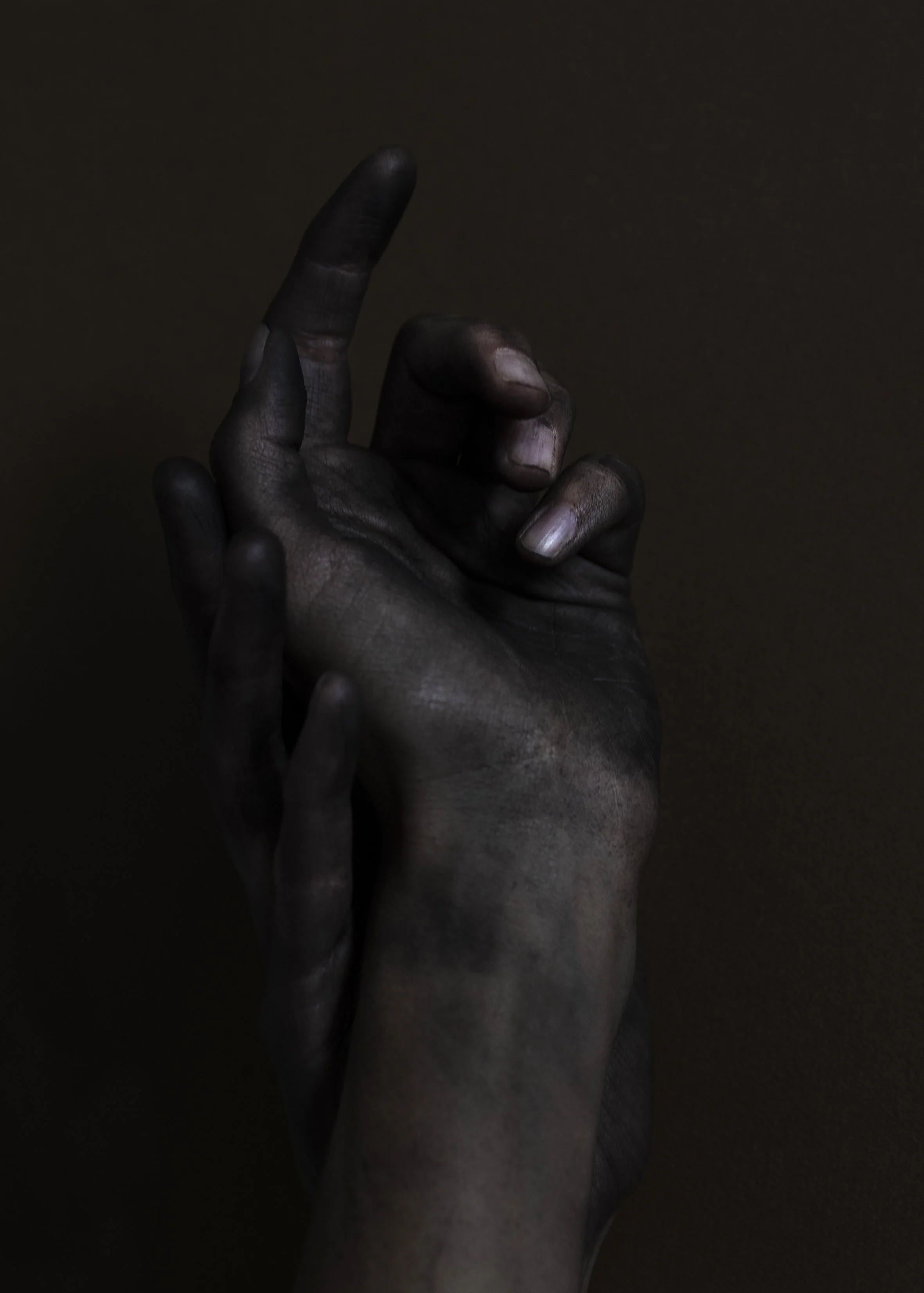
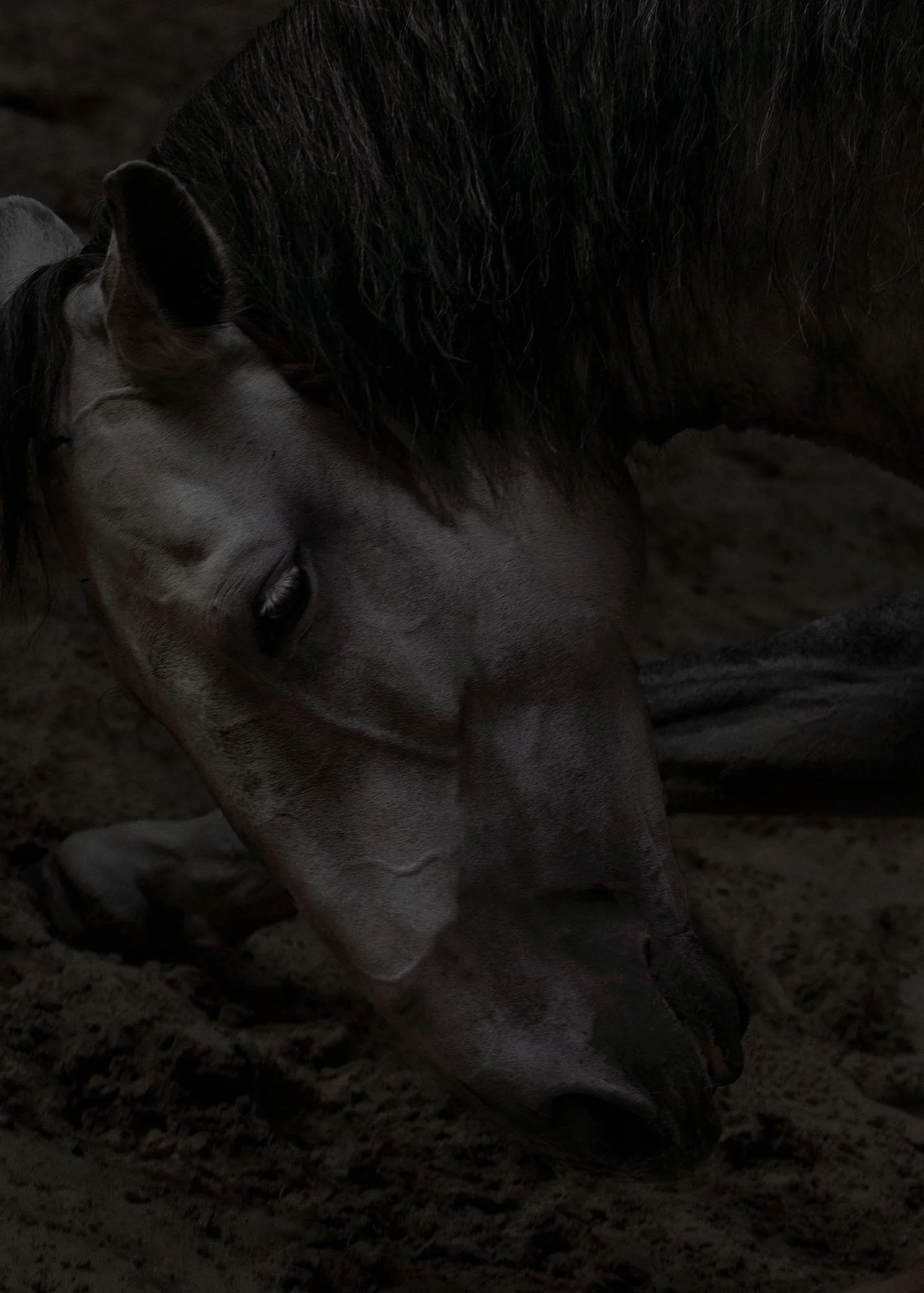
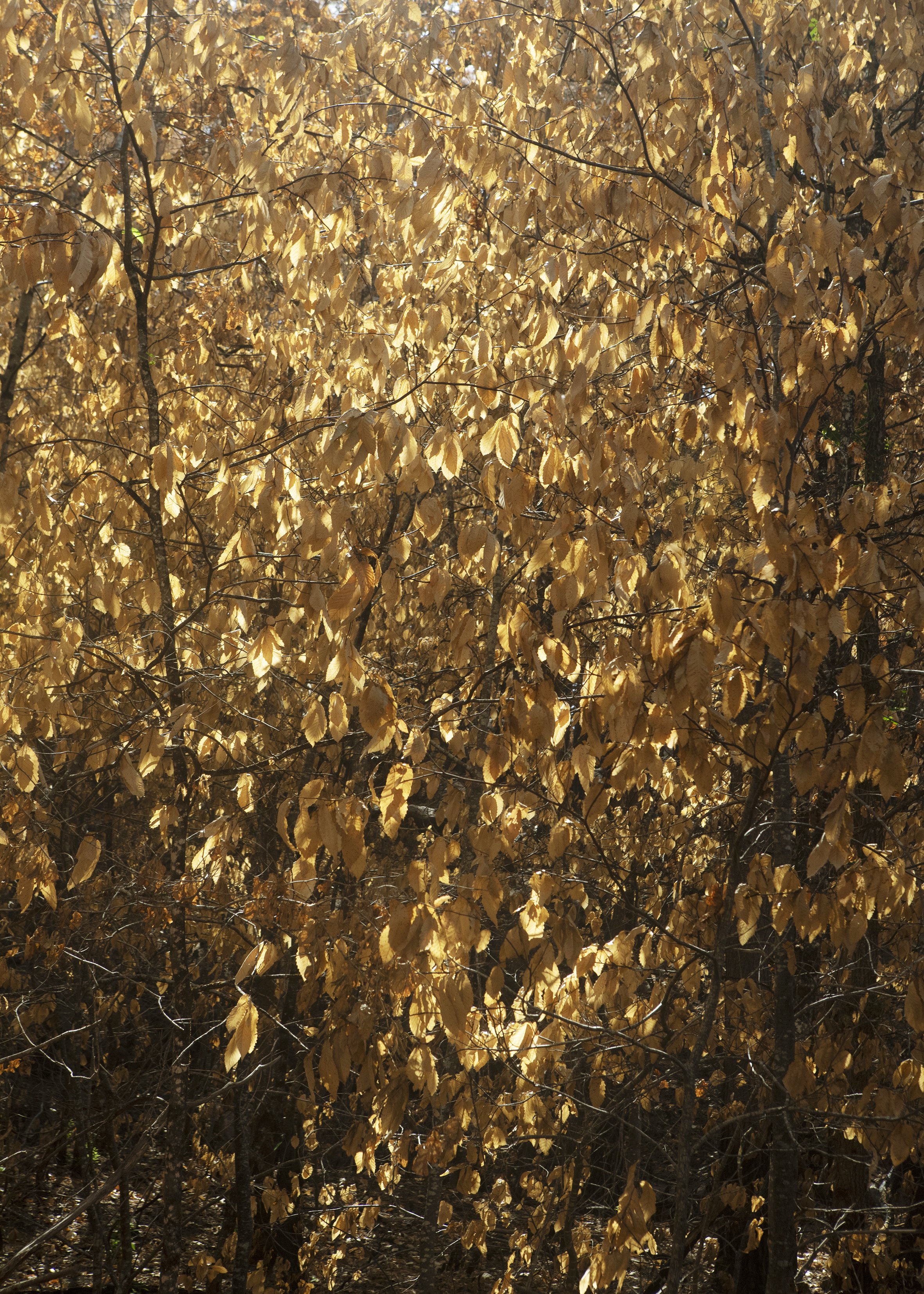
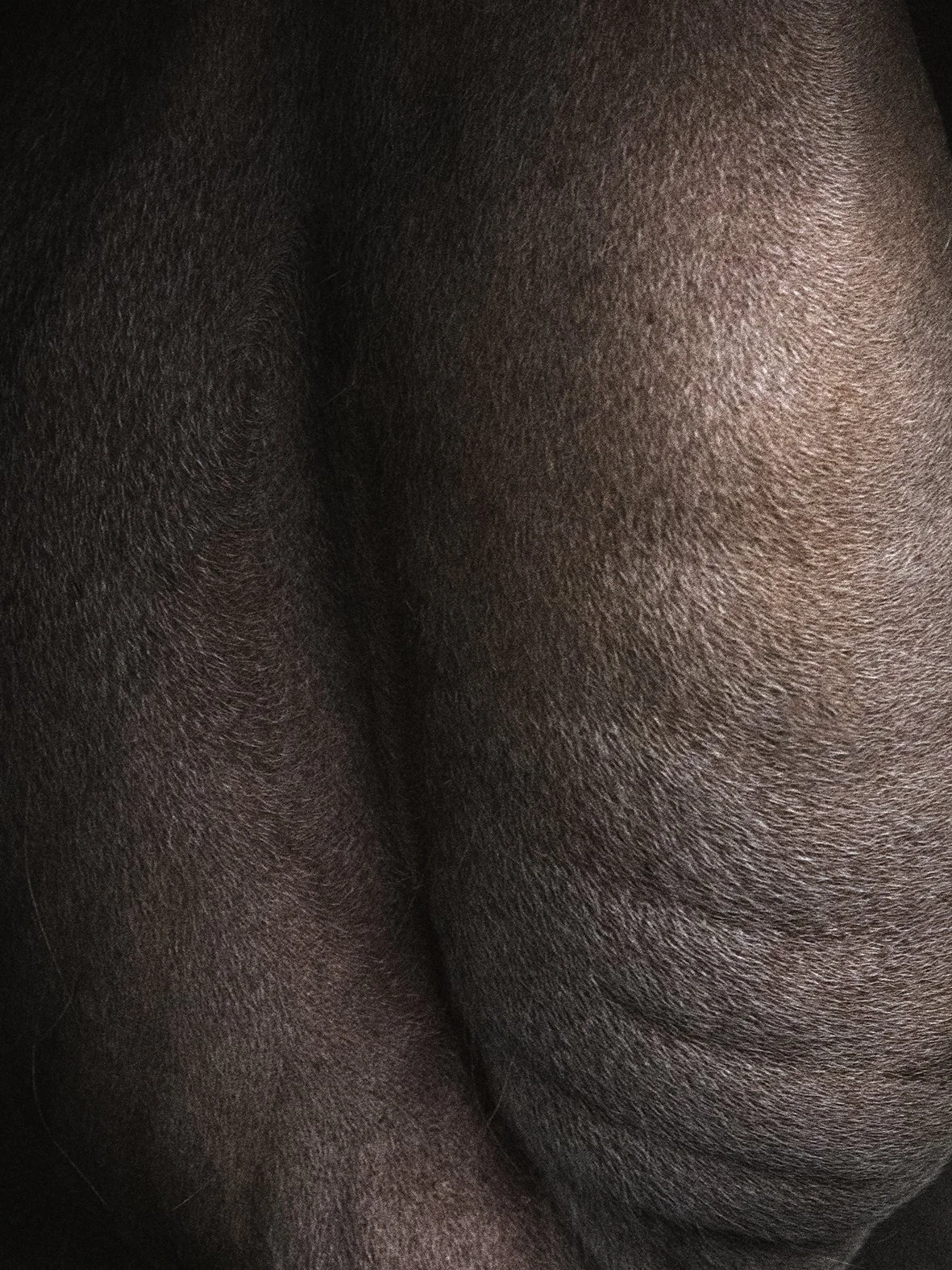
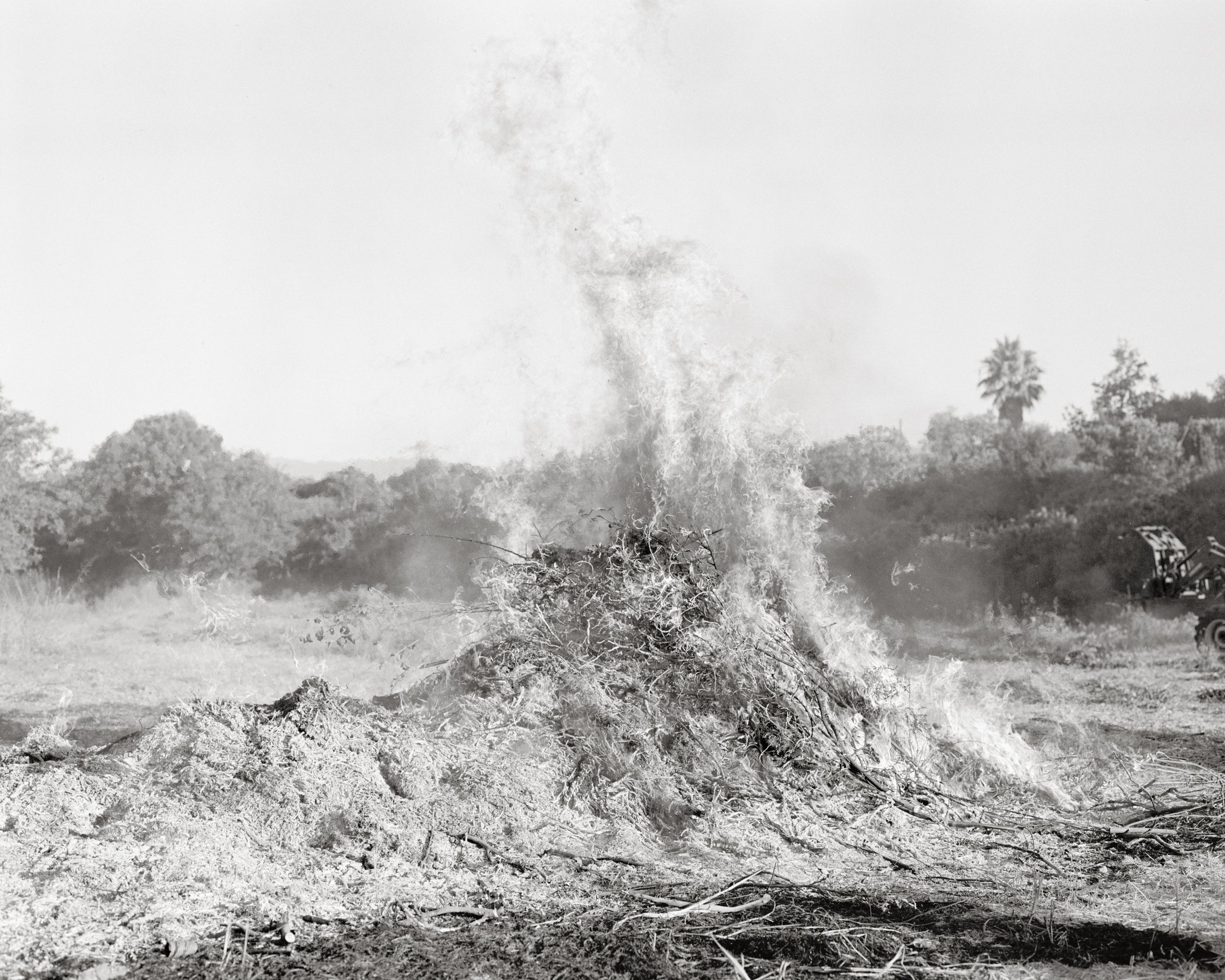
D’un côté, Nolwenn Brod capte des instants de bascule, des micro-récits où les corps révèlent une intériorité en mouvement, cherchant à émerger vers l’extérieur. Portées par des tonalités sombres et chaudes, ses images mêlent douceur, tension et sensualité dans une présence quasi tactile. Elle présente à Paris Photo deux nouvelles séries. Soutenue par le CNAP fin 2024, la série Nos demeures ouvertes est consacrée aux violences faites aux femmes et aux enfants, notamment vicariantes. À partir de témoignages et de lectures littéraires, les images interrogent ce que la violence laisse dans les corps. Sans exposé l’acte violent, elles approchent la menacent, la sidération, mais aussi les gestes par lesquels une vie se maintient. La peur prend forme sans être montrée. Réalisée après les incendies de la forêt de Fontainebleau, la série Renascent, quant à elle, explore l’ambivalence du feu, entre destruction et transformation. Dans les corps qui composent la série, se manifeste une forme de survivance. Rien ne revient à l’état antérieur, quelque chose survit à la disparition. La perte continue d’agir.
À l’opposé, Matthieu Gafsou explore un réel transformé par les écrans. Les Lumières sombres interroge la pixélisation comme condition du regard, révélant un monde fragmenté, distant et dénué de relations, à travers des images sombres traversées de lumière laser. Il cherche ainsi à donner forme à une réalité devenue difficile à représenter: flux, données, modèles, algorithmes, réseaux, calculs. Comment photographier un système omniprésent dont une grande partie demeure imperceptible ? Les Lumières sombres désigne aussi un paradoxe : la multiplication sans précédent des images, des informations et des connaissances coexiste avec une opacité croissante des systèmes qui les rendent possibles, en particulier les intelligences artificielles. Dans un monde où des machines sont désormais capables de produire, organiser et faire circuler des images sans qu’un regard humain ait nécessairement précédé leur apparition, le plus important est de voir ce que peut encore la photographie.
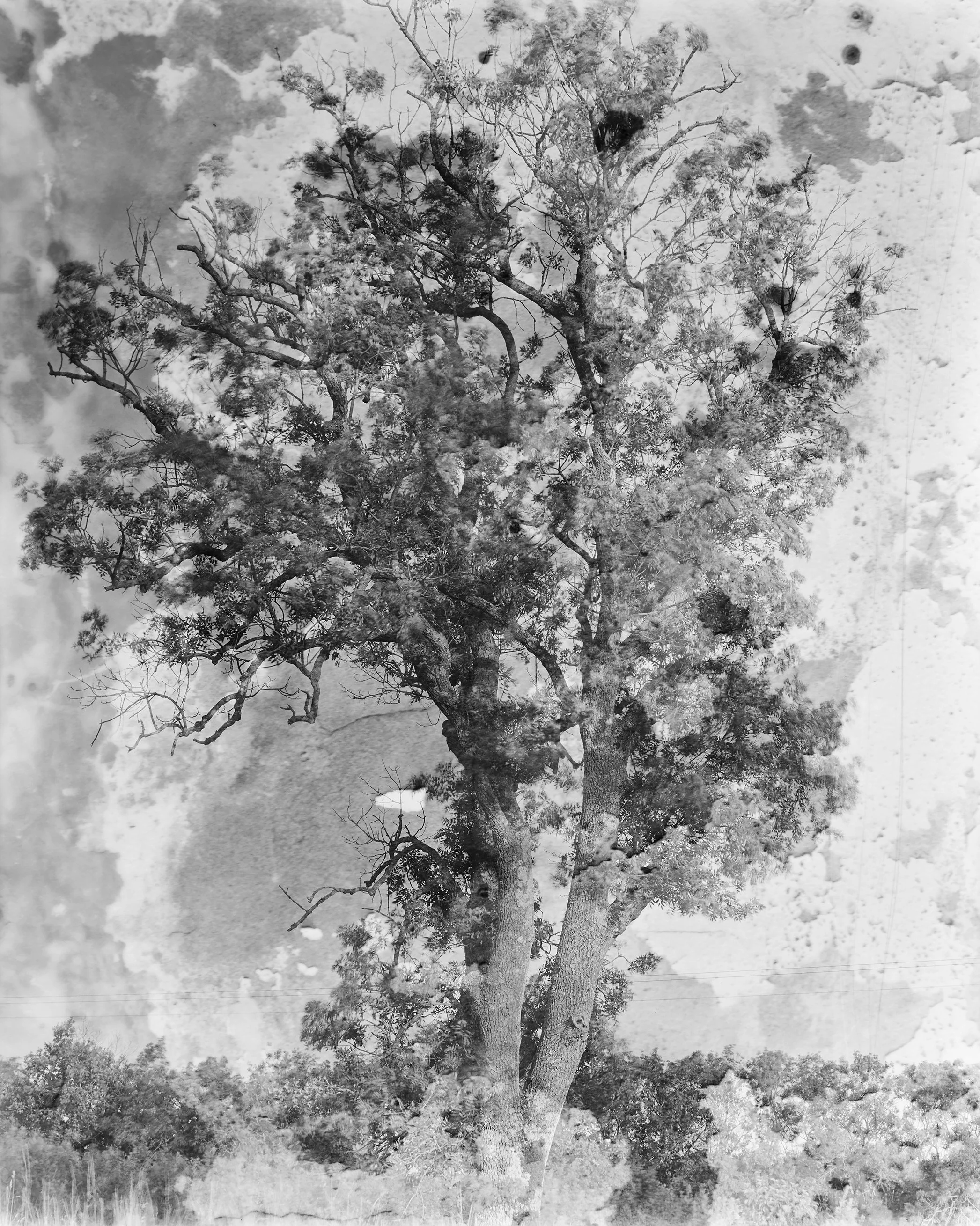
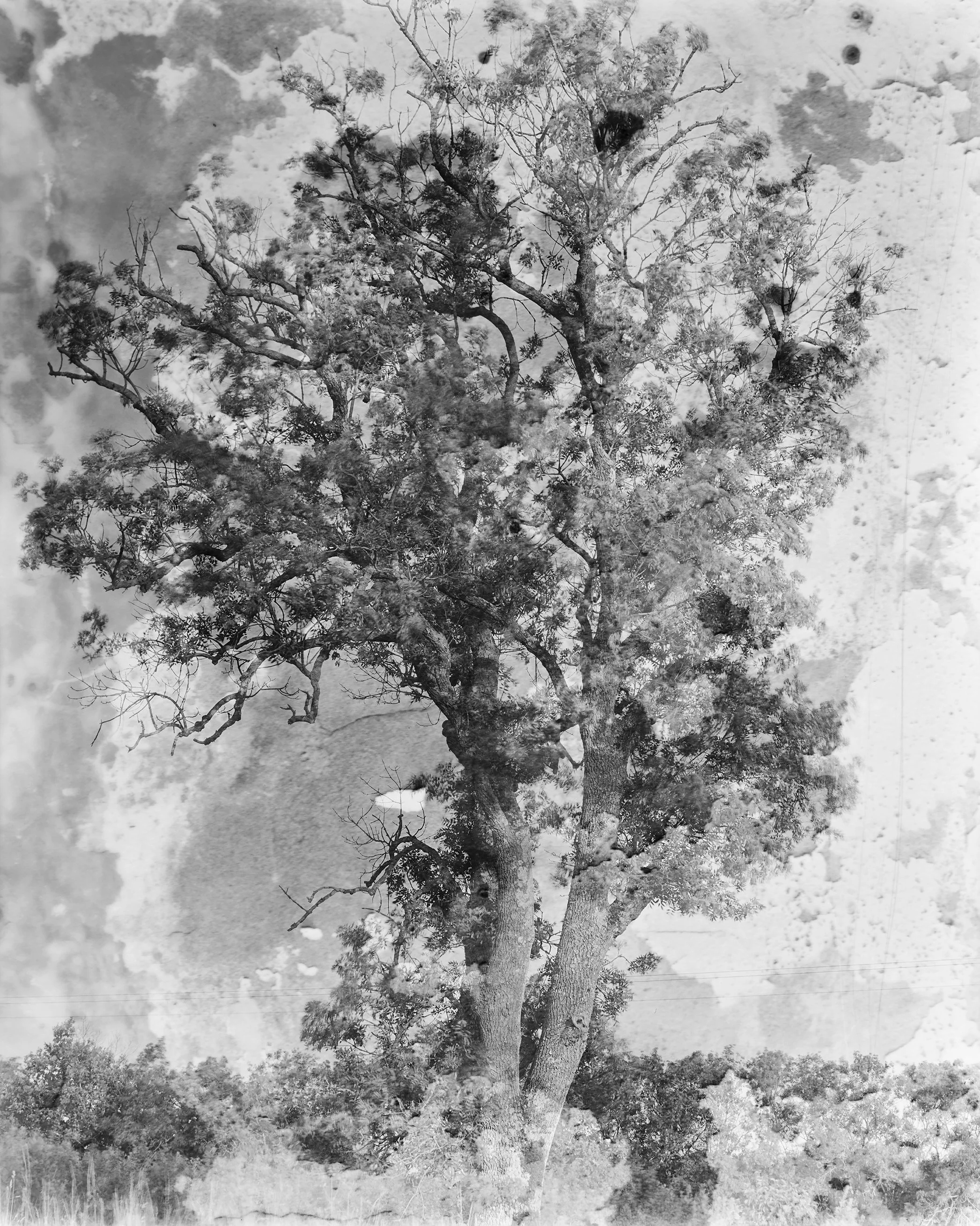
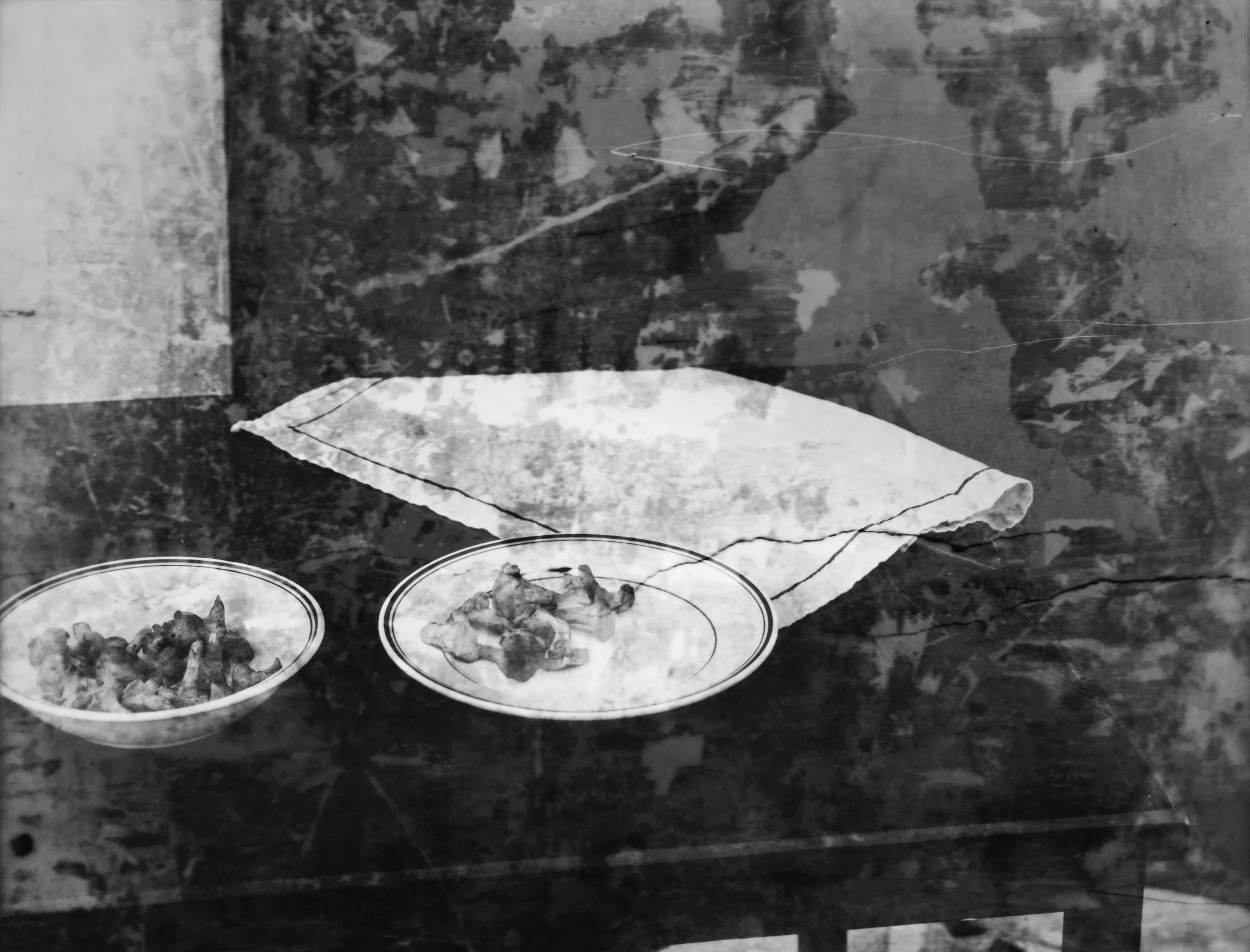
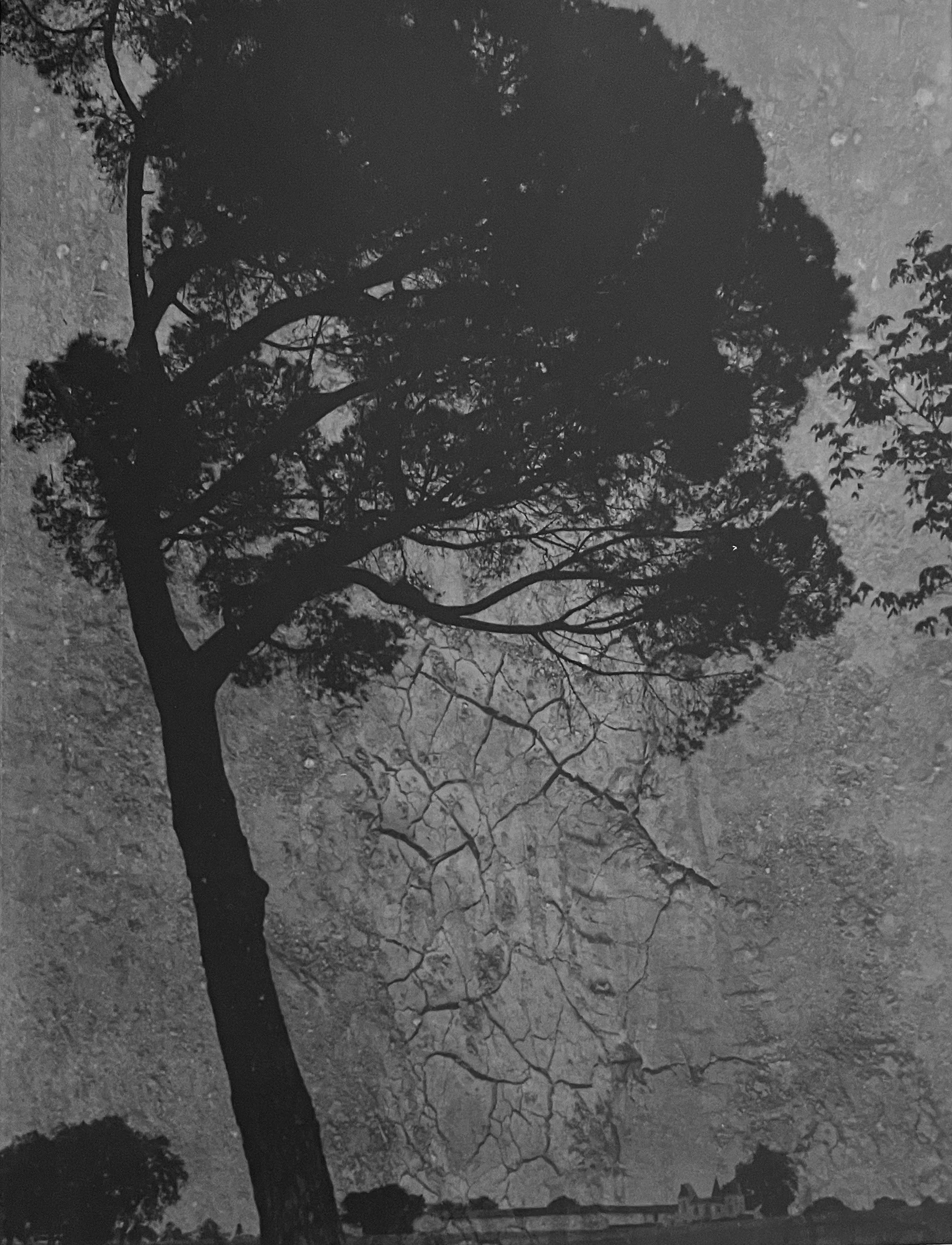
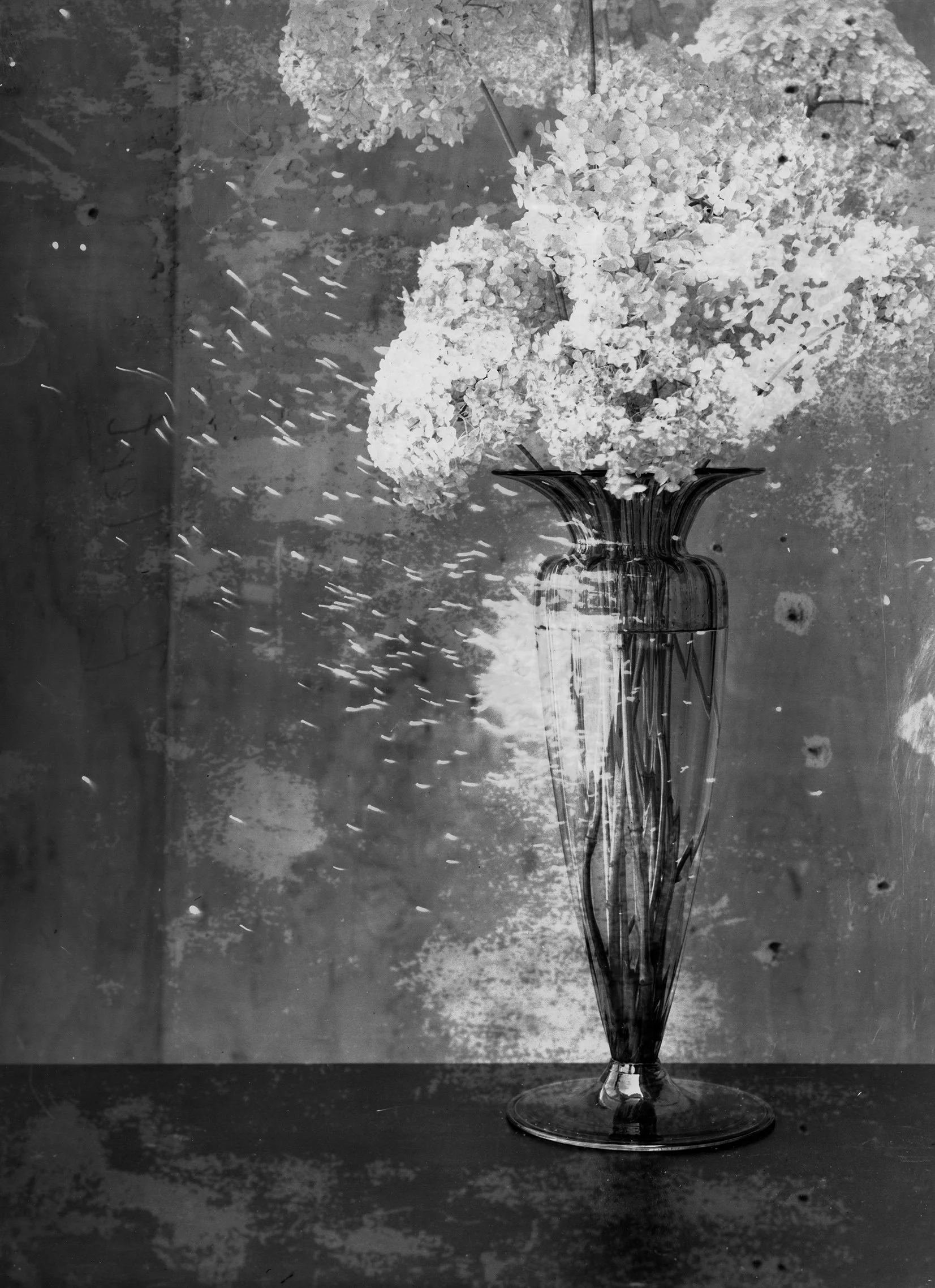
Au centre, Alexandra Catiere cherche moins à documenter le réel qu'à en révéler une dimension intemporelle. Entre portrait et nature, sa photographie fait émerger une émotion palpable, où son regard et son travail sur le tirage donnent une densité presque physique à l’émotion. Dans ses images nocturnes comme dans ses portraits, elle privilégie l’ambiguïté et le mystère. Les arbres deviennent des figures presque mythiques et les visages laissent planer une énigme. Dans l’urgence de la chambre noire et dans l’attente du verdict, les valeurs de gris et de noir transforme chaque image en vision poétique, où la part d’ombre est encore à révéler.
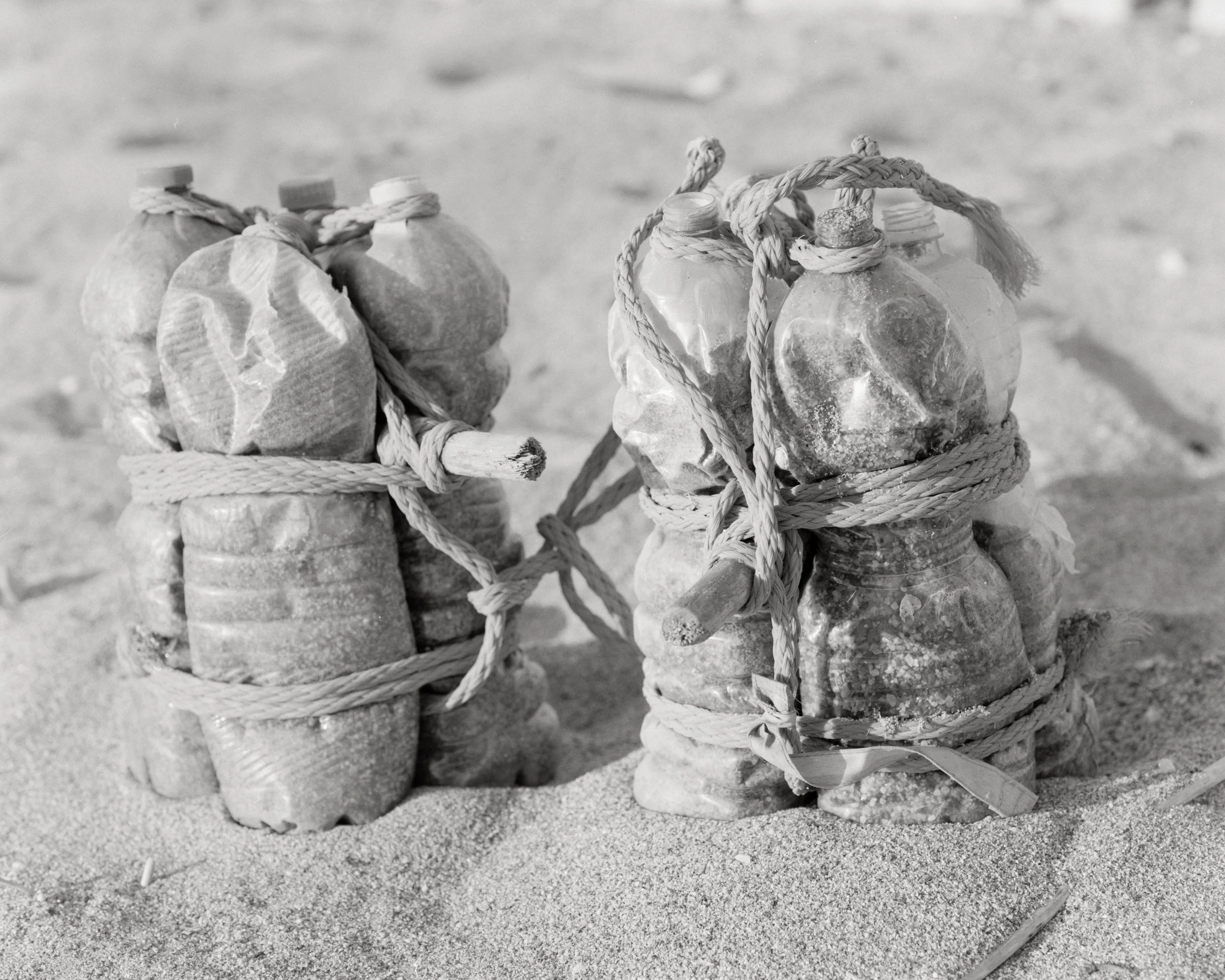
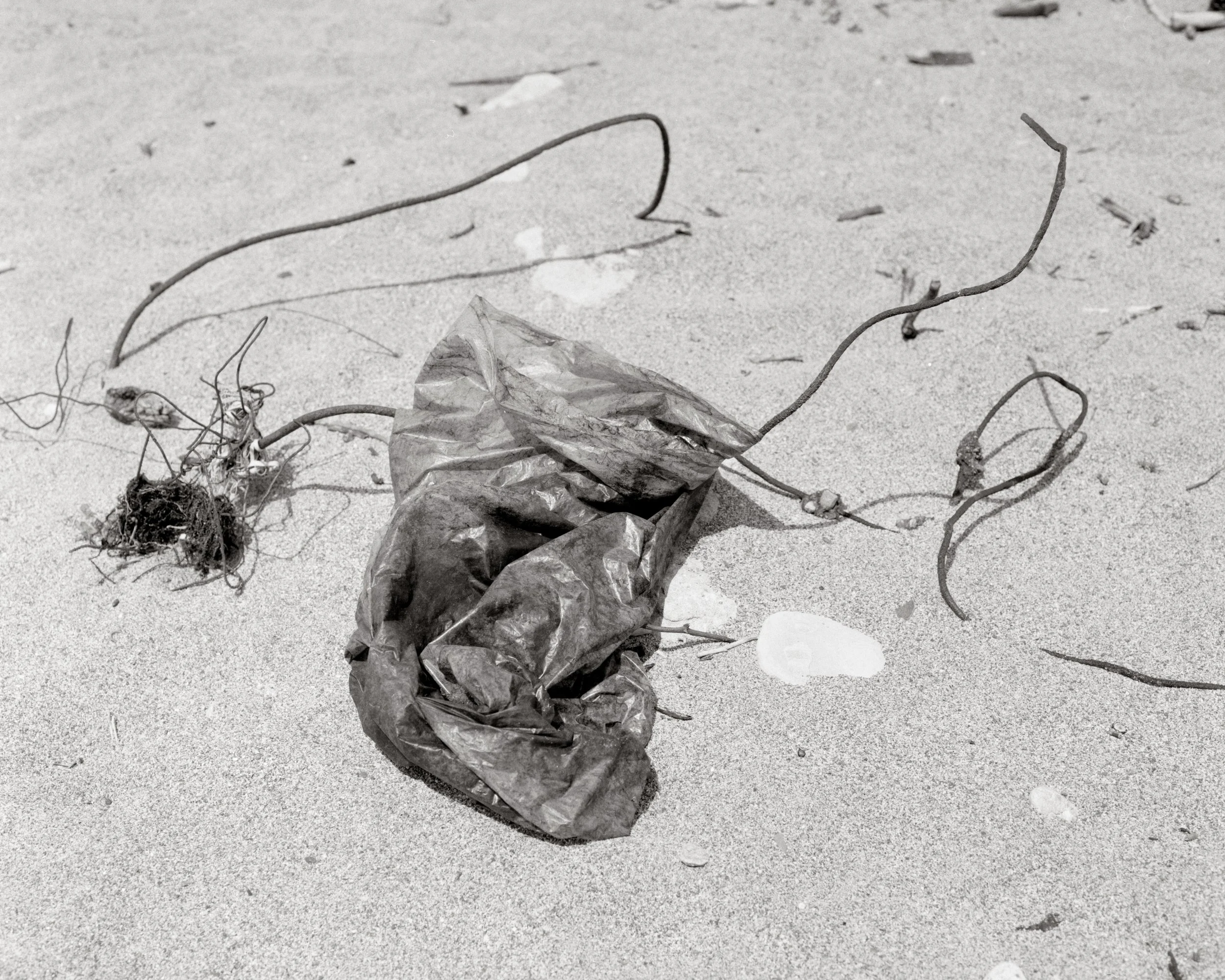
Enfin, Massao Mascaro présente une nouvelle série Sabbia e Bronzo à la fois douce et aride, baignée d’un soleil si intense qu’il semble brûler le papier. Elle prend pour point de départ les Bronzes de Riace, deux sculptures grecques découvertes en 1972 au large de la côte ionienne. Le bronze et le sable désignent deux rapports au temps. L’un conserve et résiste, l’autre se déplace en permanence. Entre eux apparaît une troisième matière, le plastique, présence contemporaine devenue presque indissociable des rivages méditerranéens. À ces matières correspondent différentes formes de mémoire : celle du monument, celle du paysage et celle, plus diffuse, des usages et des circulations humaines.
Plus d’informations sur la foire: ici
..
Paris Photo
12-15.11.26
Grand Palais
Avenue Winston Churchill
75008 Paris
Main Sector
Booth C50
Galerie C is pleased to announce its participation in Paris Photo 2026. As the leading international fair in its field, Paris Photo serves as a unique catalyst for encounters and exchanges, as well as an essential platform for the dissemination of photography.
On the one hand, Nolwenn Brod captures pivotal moments, micro-narratives in which bodies reveal an inner world in motion, seeking to emerge outward. Infused with dark and warm tones, her images blend gentleness, tension, and sensuality into an almost tactile presence. She is presenting two new series at Paris Photo. Supported by the CNAP in late 2024, Nos demeures ouvertes is dedicated to violence against women and children, particularly vicarious violence. Drawing on testimonies and literary texts, the images explore what violence leaves behind in the body. Without explicitly depicting the violent act, they convey the threat, the shock, but also the gestures through which life persists. Fear takes shape without being shown. Created in the wake of the Fontainebleau forest fires, the series Renascent explores the ambivalence of fire, caught between destruction and transformation. In the bodies that make up the series, a form of survival manifests itself. Nothing returns to its previous state; something survives the disappearance. The loss continues to have an effect.
In contrast, Matthieu Gafsou explores a reality transformed by screens. Les Lumières sombres examines pixelation as a condition of perception, revealing a fragmented, distant world devoid of connections through dark images pierced by laser light. He thus seeks to give form to a reality that has become difficult to represent: data streams, data, models, algorithms, networks, and calculations. How can one photograph an omnipresent system, much of which remains imperceptible? Les Lumières sombres also highlights a paradox: the unprecedented proliferation of images, information, and knowledge coexists with the growing opacity of the systems that make them possible, particularly artificial intelligence. In a world where machines are now capable of producing, organizing, and circulating images without a human gaze necessarily having preceded their appearance, the most important thing is to see what photography is still capable of.
At the heart of her work, Alexandra Catiere seeks not so much to document reality as to reveal its timeless dimension. Straddling the line between portraiture and still life, her photography evokes a palpable emotion, with her vision and her work on the print lending an almost physical density to that emotion. In her nocturnal images as well as in her portraits, she emphasizes ambiguity and mystery. Trees become almost mythical figures, and faces leave a sense of enigma hanging in the air. Amid the urgency of the darkroom and the anticipation of the final result, the shades of gray and black transform each image into a poetic vision, where the shadowed parts remain yet to be revealed.
Finally, Massao Mascaro presents a new series, Sabbia e Bronzo which is at once gentle and arid, bathed in sunlight so intense that it seems to burn the paper. It takes as its starting point the Riace Bronzes, two Greek sculptures discovered in 1972 off the Ionian coast. Bronze and sand represent two different relationships to time. One preserves and endures; the other is in constant flux. Between them emerges a third material plastic a contemporary presence that has become almost inseparable from the Mediterranean coastline. These materials correspond to different forms of memory: that of the monument, that of the landscape, and the more diffuse memory of human activities and movements.
Further information on the fair: here
….